
1940
Ka whakatūria te kaupapa
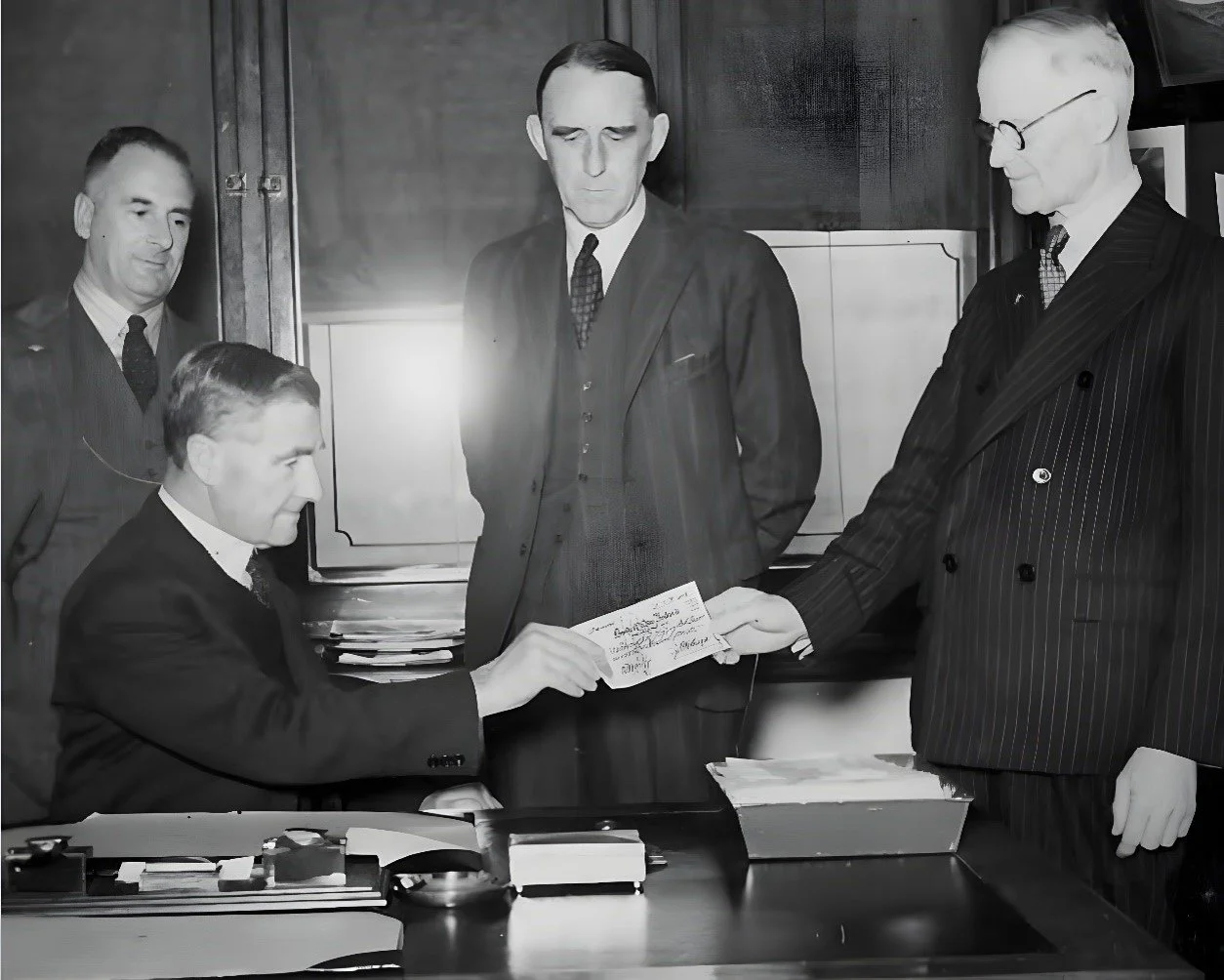
The J R McKenzie Trust is established
Following the success of the McKenzies chain of department stores, Sir John McKenzie establishes this philanthropic family trust. Learn more about the trust’s work here.
The Dominion Post Collection, Alexander Turnbull Library
1991
Kua rangona te ngau o te rawakore
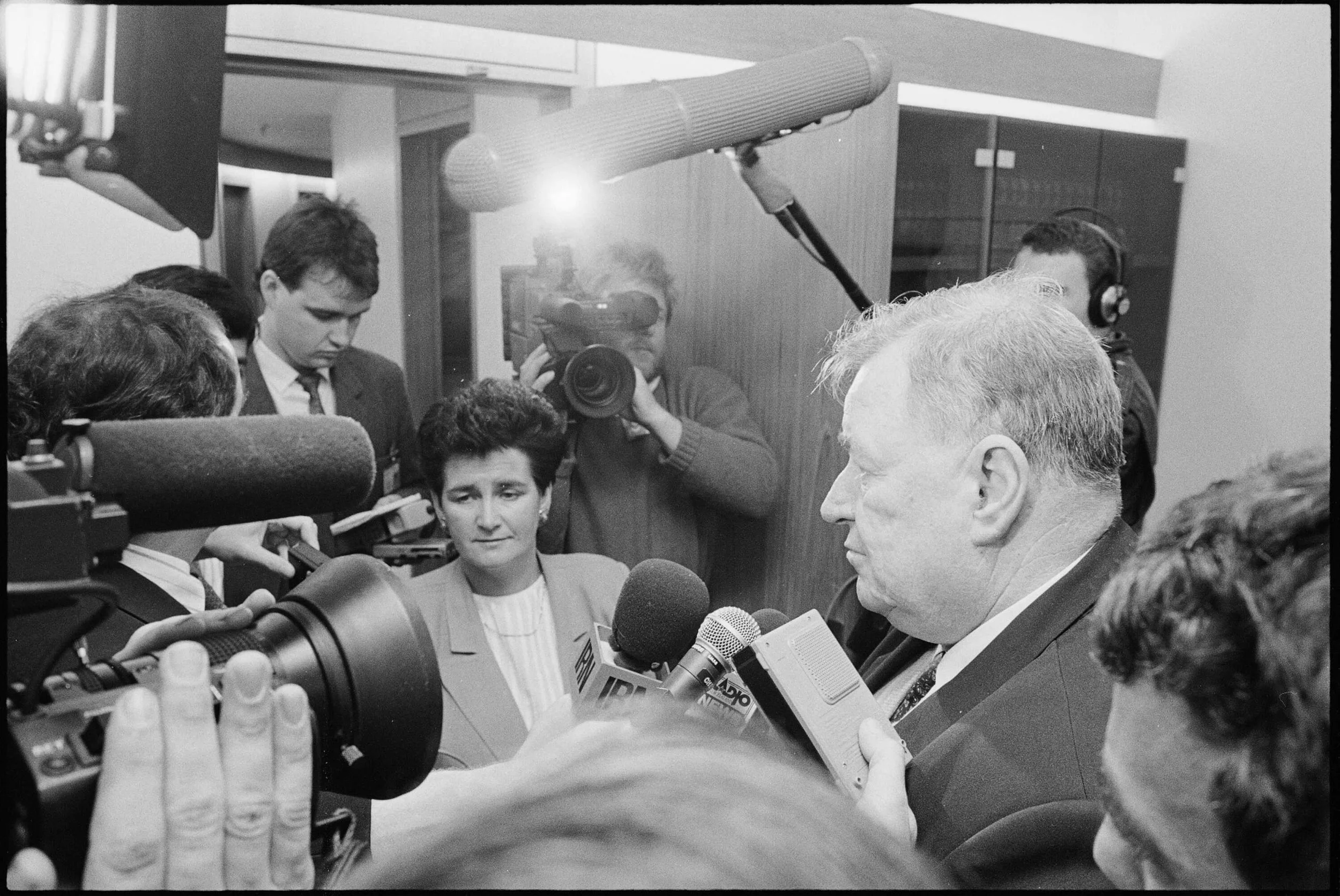
The Government cuts income support
Extending the neoliberal reforms of the previous Government, Finance Minister Ruth Richardson undertakes dramatic economic reform and slashes income support. Unemployment, sickness, and family benefits drop dramatically, and families plunge into financial hardship. The budget catalyses an intergenerational legacy of child and whānau poverty, the impact of which is still felt today.
1993
Ka takoto te takere
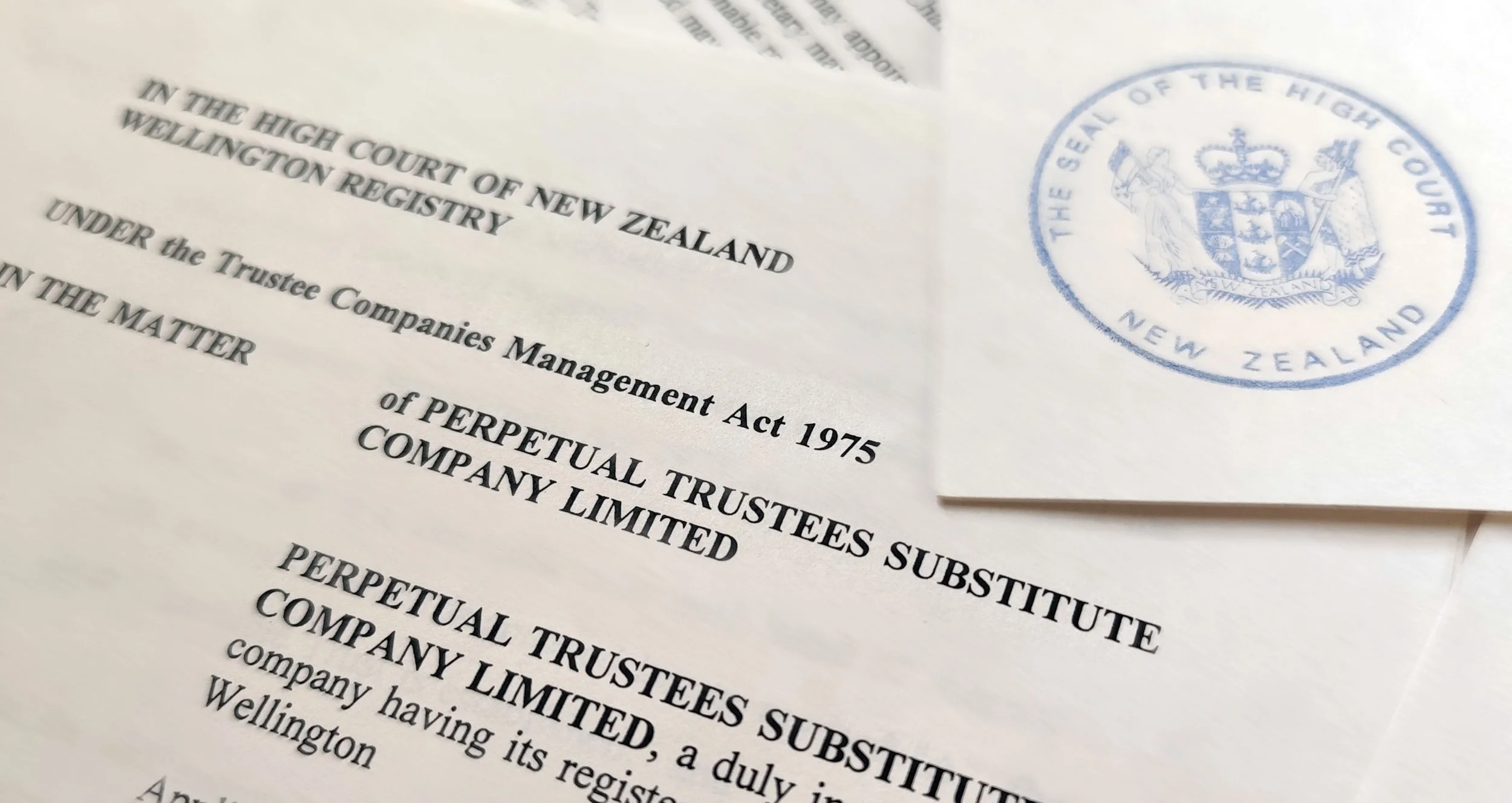
A new fund is proposed
The Perpetual Trustees Substitute Company winds up, leaving over $5 million for charitable purposes. Perpetual Trustees seeks the J R McKenzie Trust’s help to manage the funds.
1996
Ka ārahina e te mokopuna
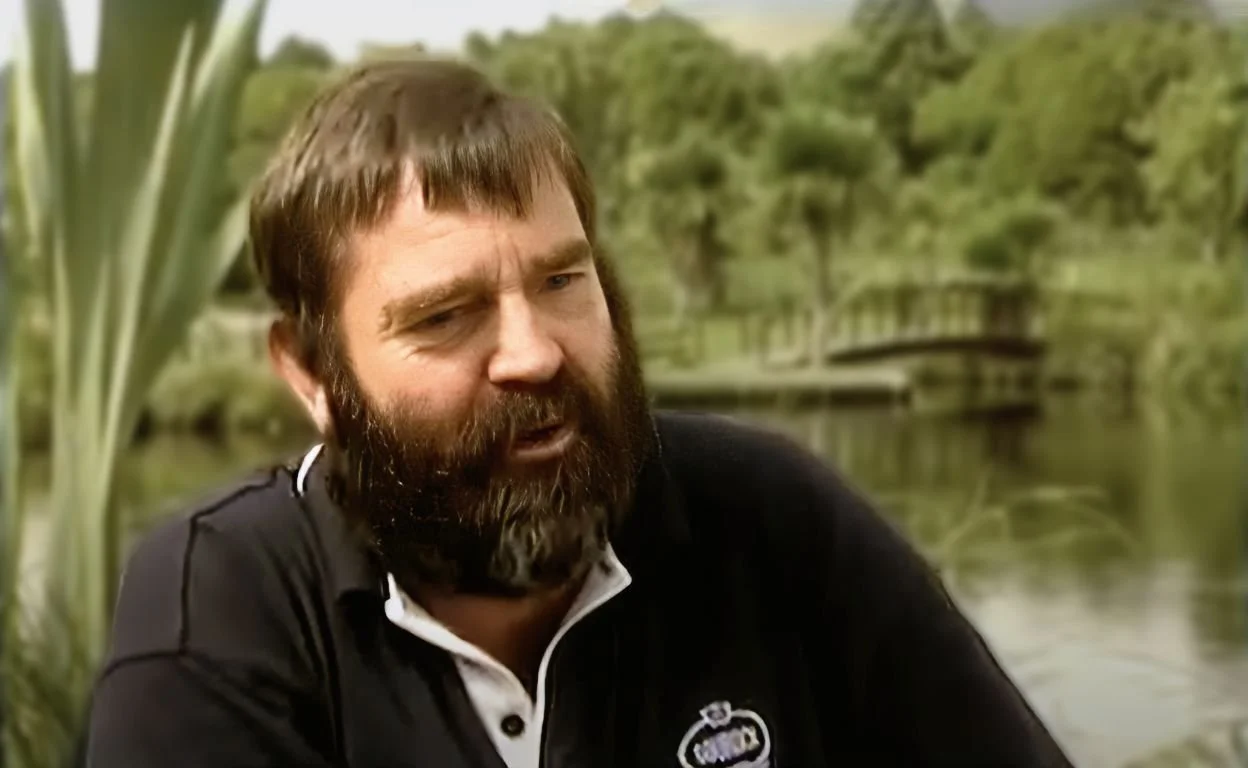
Peter McKenzie creates the Jayar Charitable Trust
Sir John McKenzie’s grandson, Peter McKenzie, creates the Jayar Charitable Trust to receive and manage these funds. His fellow founding trustees are Jenny Morel, David Steele, and Frank Pearson.
2000
Ka tohaina ngā rawa
Funds begin to be distributed
As a new millennium dawns, the Jayar Trust begins to make distributions, by increasing the amount available for grants made by the J R McKenzie Trust. Over the next few years, Jayar’s contributions will tally more than $2 million.

2007
Ka takohatia mai ngā owha
The Trust begins to receive bequests
2011
Ka huri te titiro ki te pae tawhiti
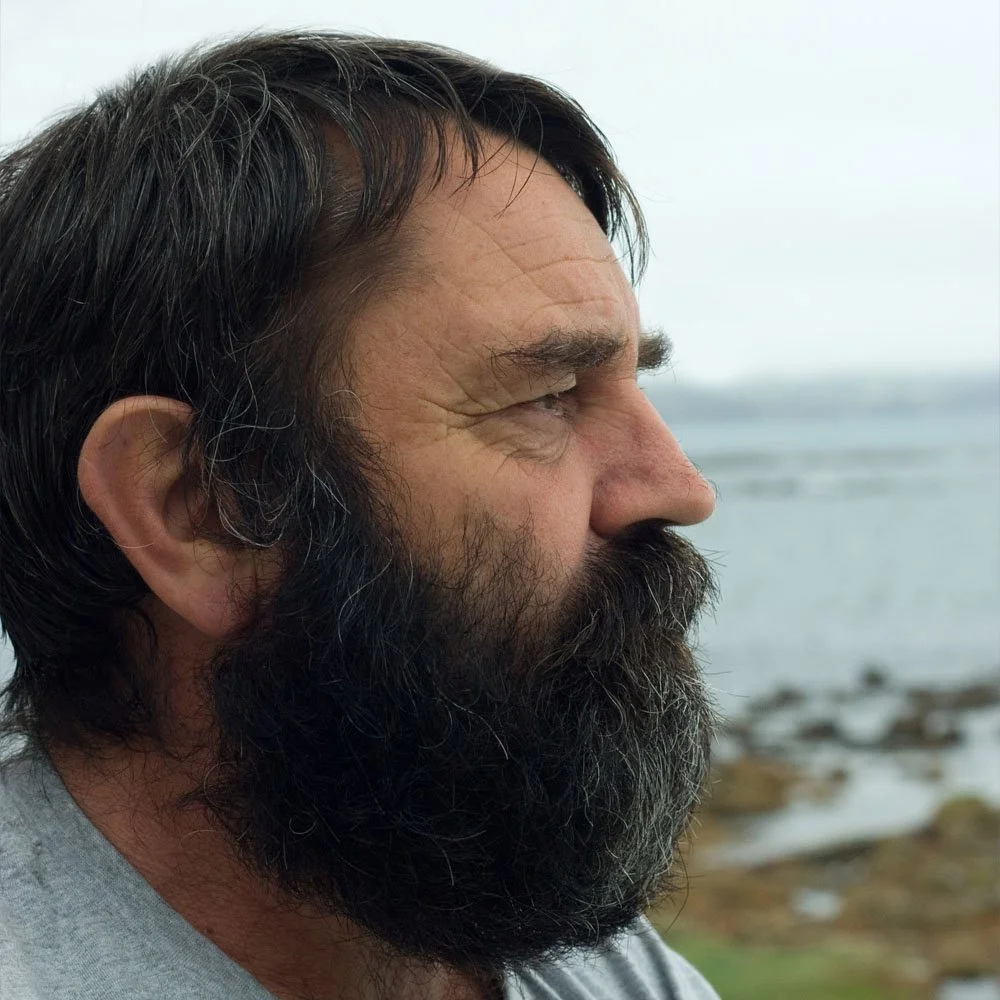
Peter shares a new vision
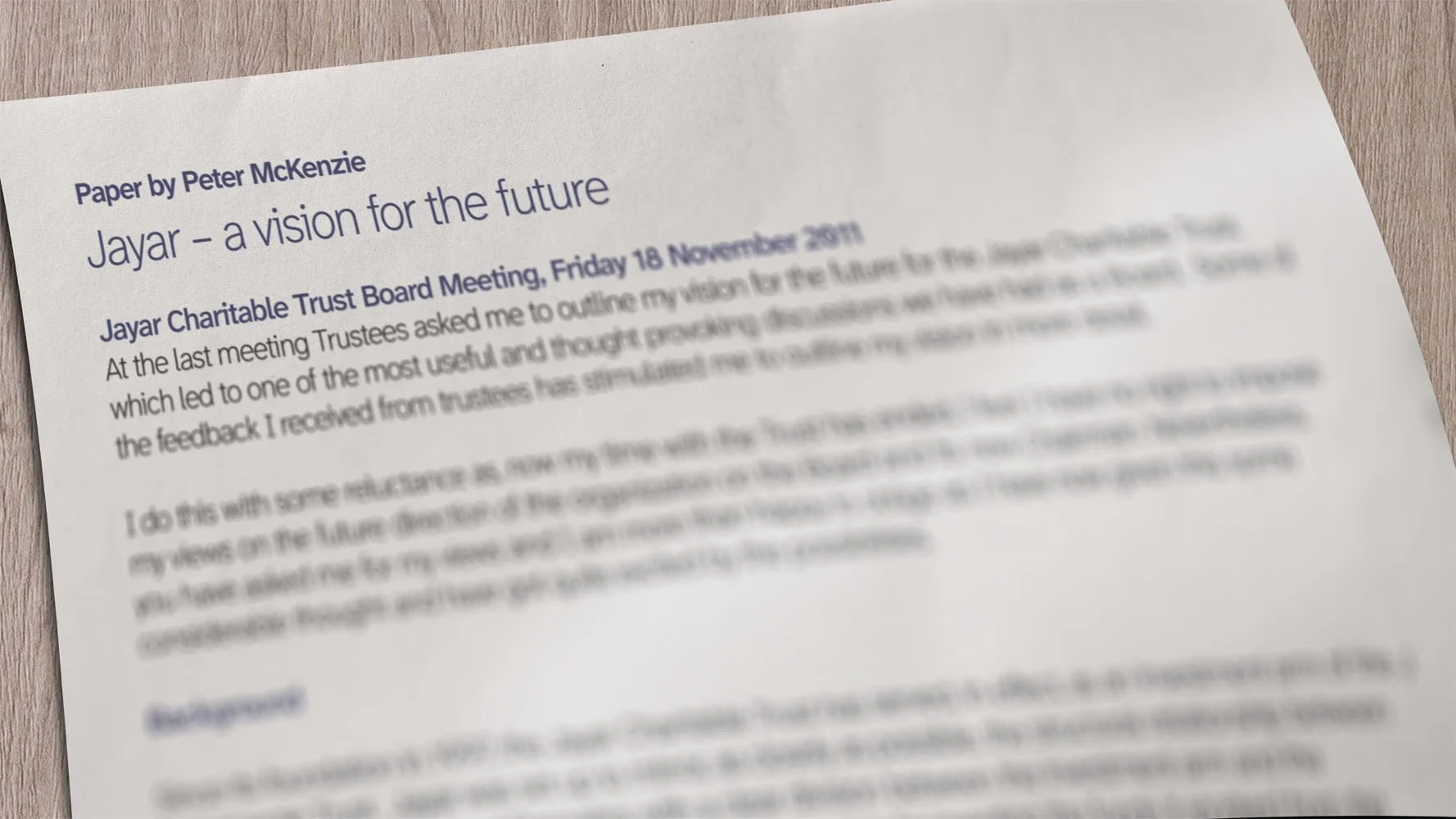
Peter, Jayar Trust’s founder and chair, becomes intrigued by what could be achieved with a long-term investment in one field of interest. He proposes the funds of the Jayar Trust are spent down completely over a 20-year period on a single issue, with the aim of making a substantial and measurable difference to the lives of New Zealanders.
A reflection from Iain Hines, former PMP Director:
2012
Ka waiho mai te ōhākī
Peter’s legacy begins to take shape
“There will be lots to learn. Although the money is significant, the biggest gift is the time scale: it obliges us to think long-term… Numerous people have advised us not to rush.”
Gravely ill when he completes his vision paper, Peter passes away a few months later. In line with his wishes, the JRMT Board converts the Jayar Trust to a ‘spend down’ fund, with a specific focus and long-term approach. A Working Group of Trustees is established, and a Project Manager is appointed. By now the fund has grown to $11 million.
2013
Ka rere te manu aroturuki
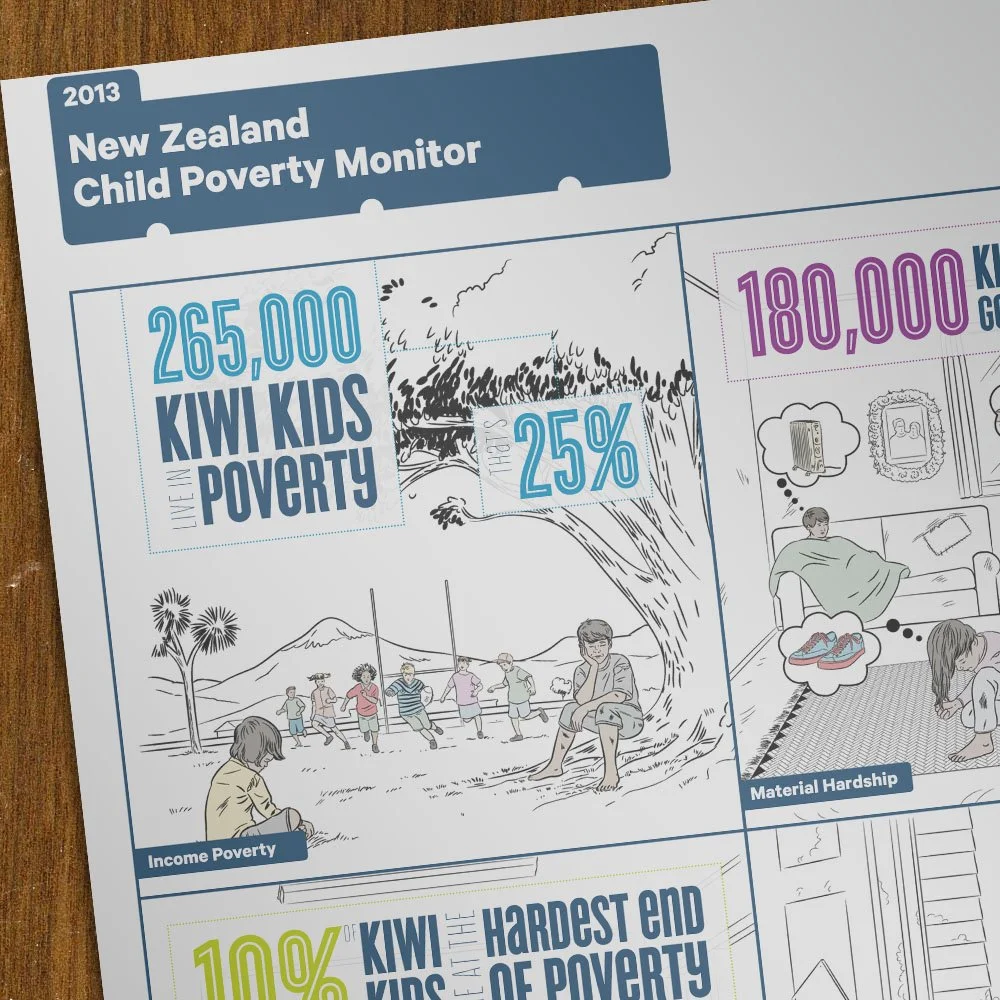
The Child Poverty Monitor starts
A response to the Government’s reluctance to adopt key recommendations of a report on solutions to child poverty from the Office of the Children’s Commissioner, the Monitor is a partnership between the J R McKenzie Trust, the OCC and Otago University. It produces an annual snapshot of child hardship - which had stayed at remarkably high and sustained levels since neoliberal reforms in the early 1990s.
2013
Ka rangahaua te ara
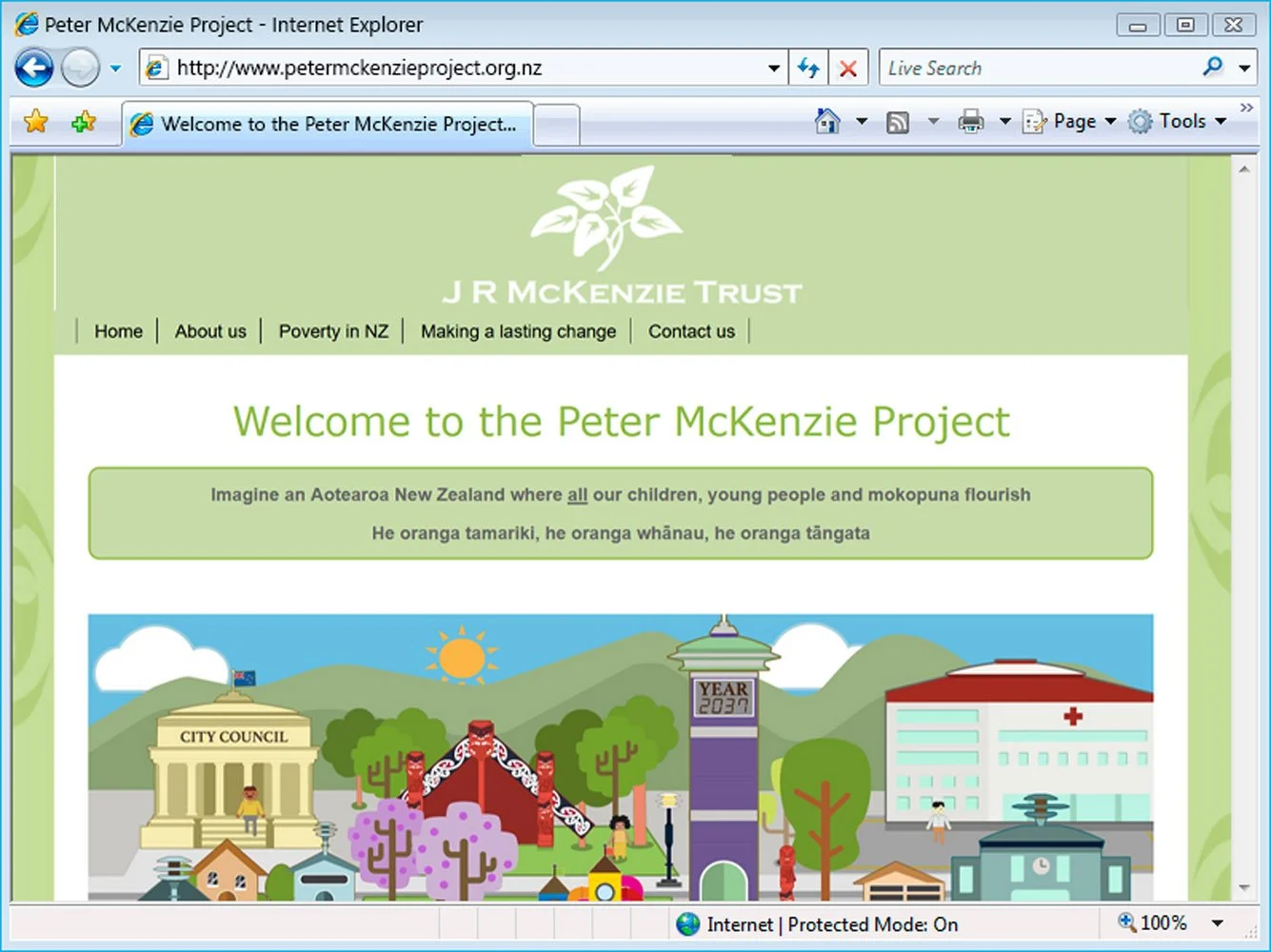
The Peter McKenzie Project is born
To determine where the project should focus, the Working Group undertakes extensive research. The decision is made to focus on reducing the number of children living in poverty and hardship. The project is named in Peter’s honour.
2014
Ka whānui te ara
An approach is decided
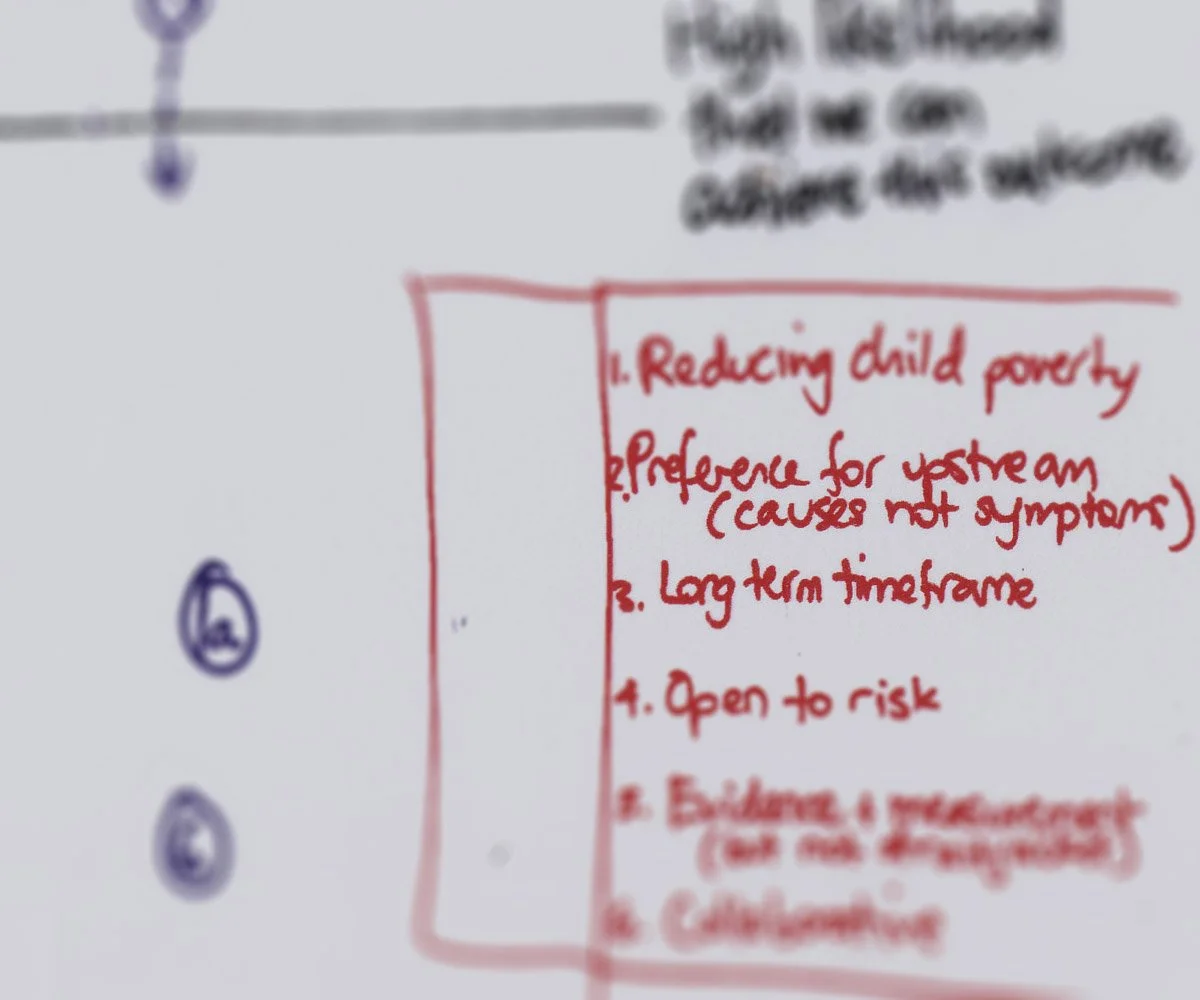
Over several years, the Working Group considers a range of approaches the Peter McKenzie Project could take. They investigate the complexities of child poverty and its root causes, explore spending the whole fund on one specific approach, and investigate opportunities to create systemic or ‘upstream’ change. Together, the group acknowledges the importance of taking risks, and agrees to set aside expectations that change will happen quickly.
2016
Ka huia te tira urungi
A committee is appointed
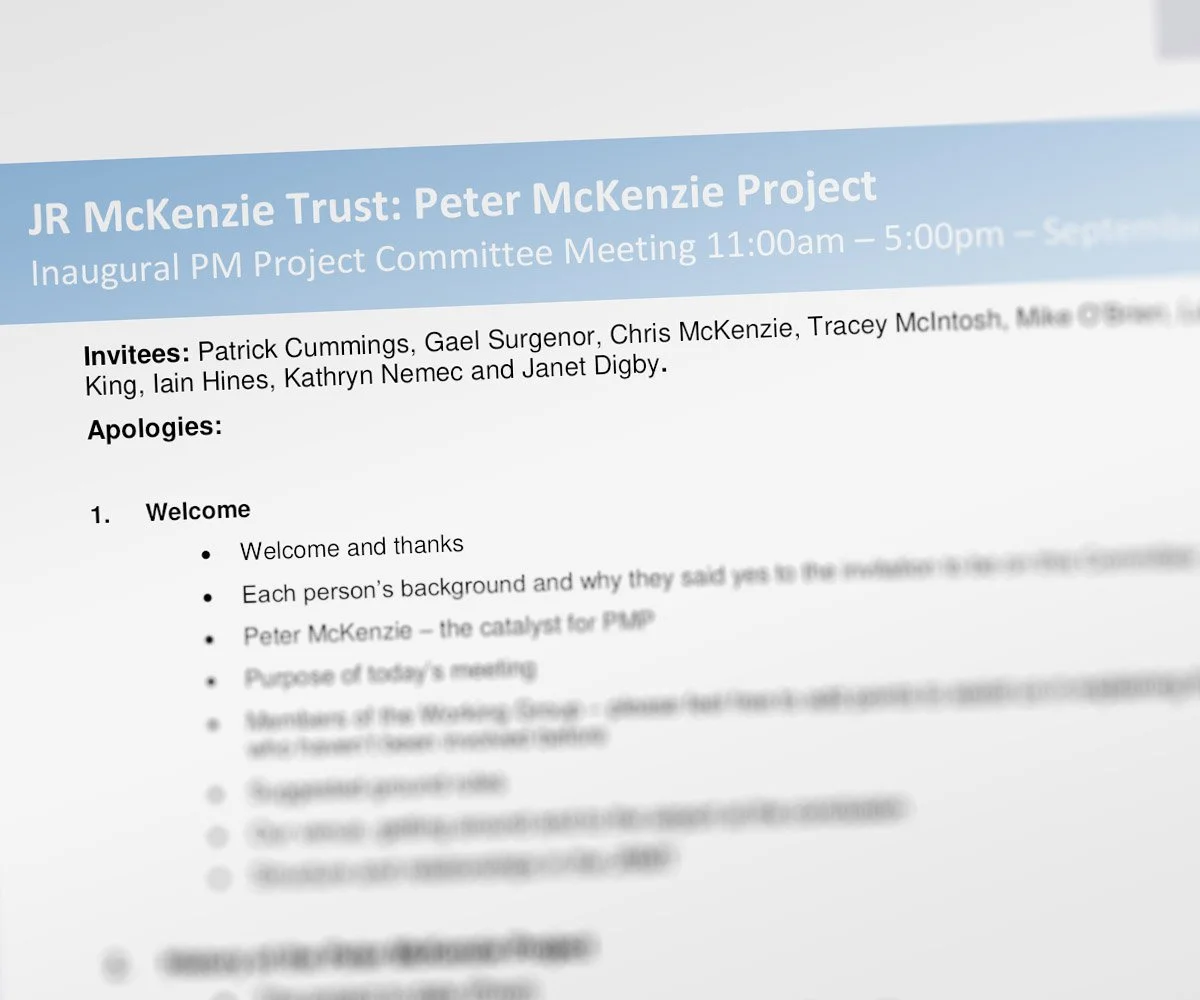
The Working Group disbands, and the PMP Committee is established. The Committee includes J R McKenzie Trust representatives, social entrepreneurs, academics and activists with expertise in systems change and child poverty reduction. The Committee confirms that PMP will focus entirely on the ‘upstream’ work - building healthier systems, and creating the conditions for positive systemic changes to occur.
A reflection from David Vance, who at the time was a JRMT Trustee and member of the PMP working group:
2017
Ka arotahi ki te rawakore tuku iho
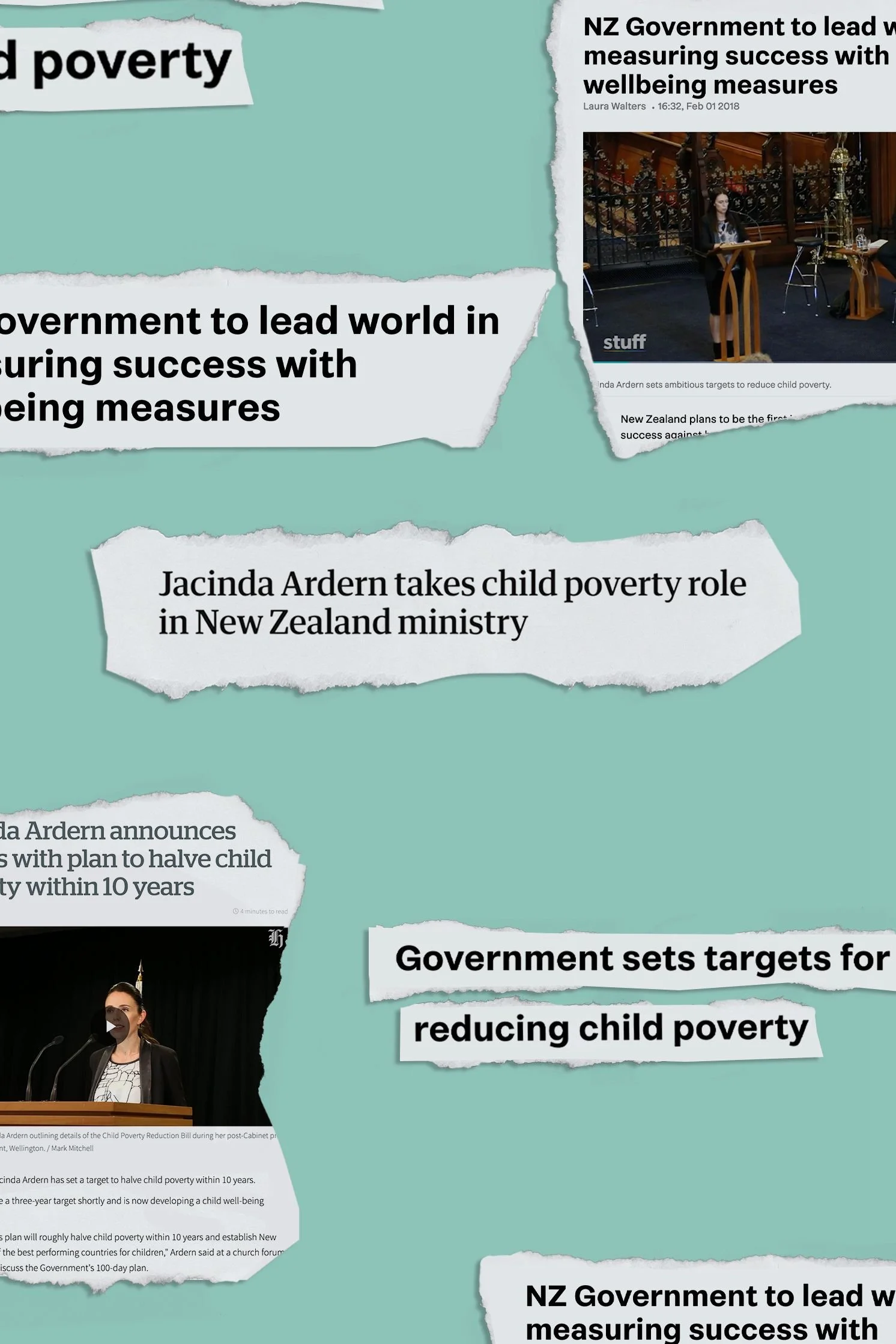
Child poverty reduction becomes formalised as a political priority
After winning the nation’s general election, the Labour Party takes office in October 2017. Prime Minister Jacinda Ardern establishes, and takes up a new role – Minister for Child Poverty Reduction. The Child Wellbeing Unit is set up as part of the Department of Prime Minister and Cabinet.
A reflection from Iain Hines, former PMP Director:
2017
Ka whakaemihia ngā wawata
A call for big ideas
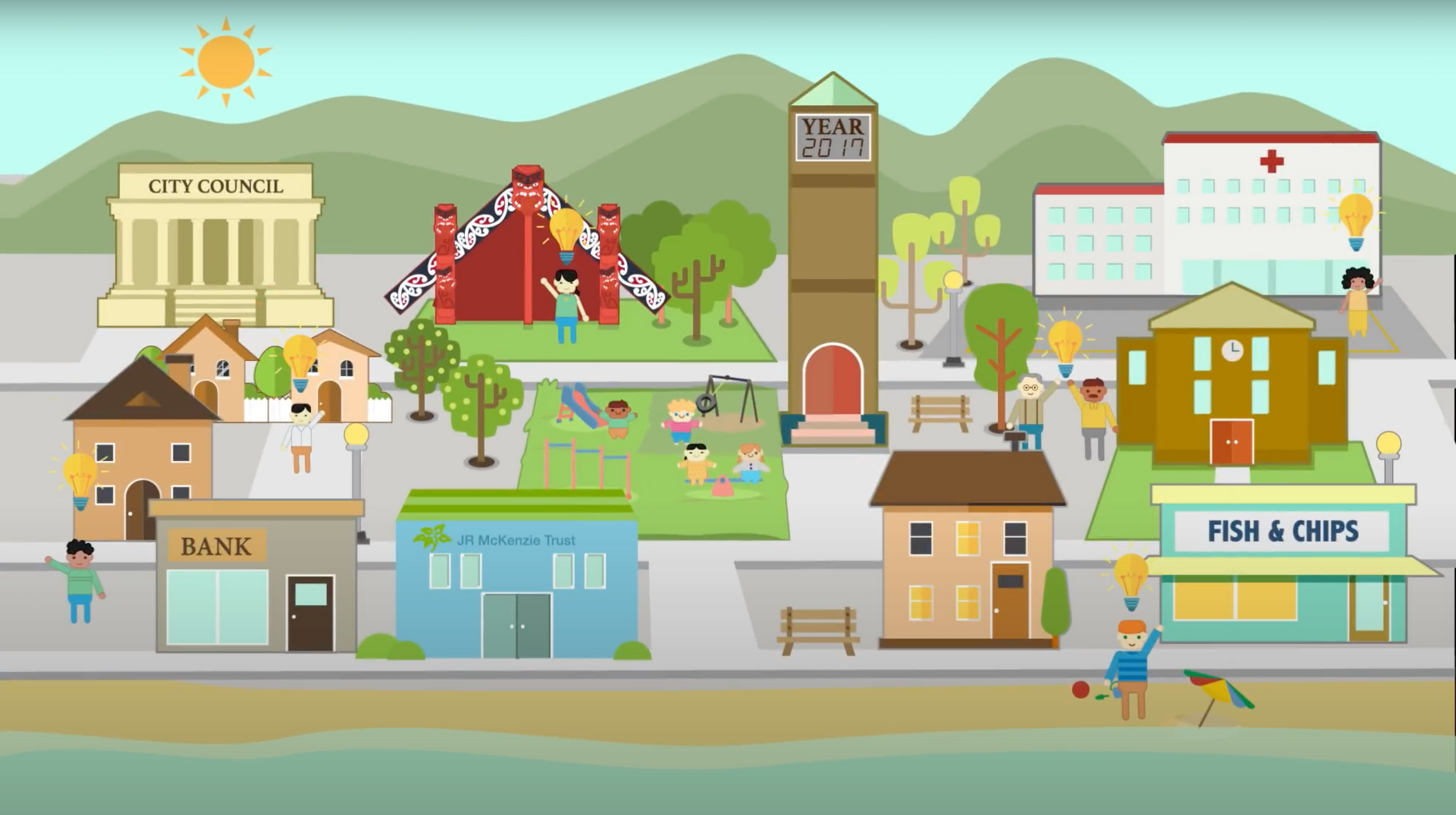
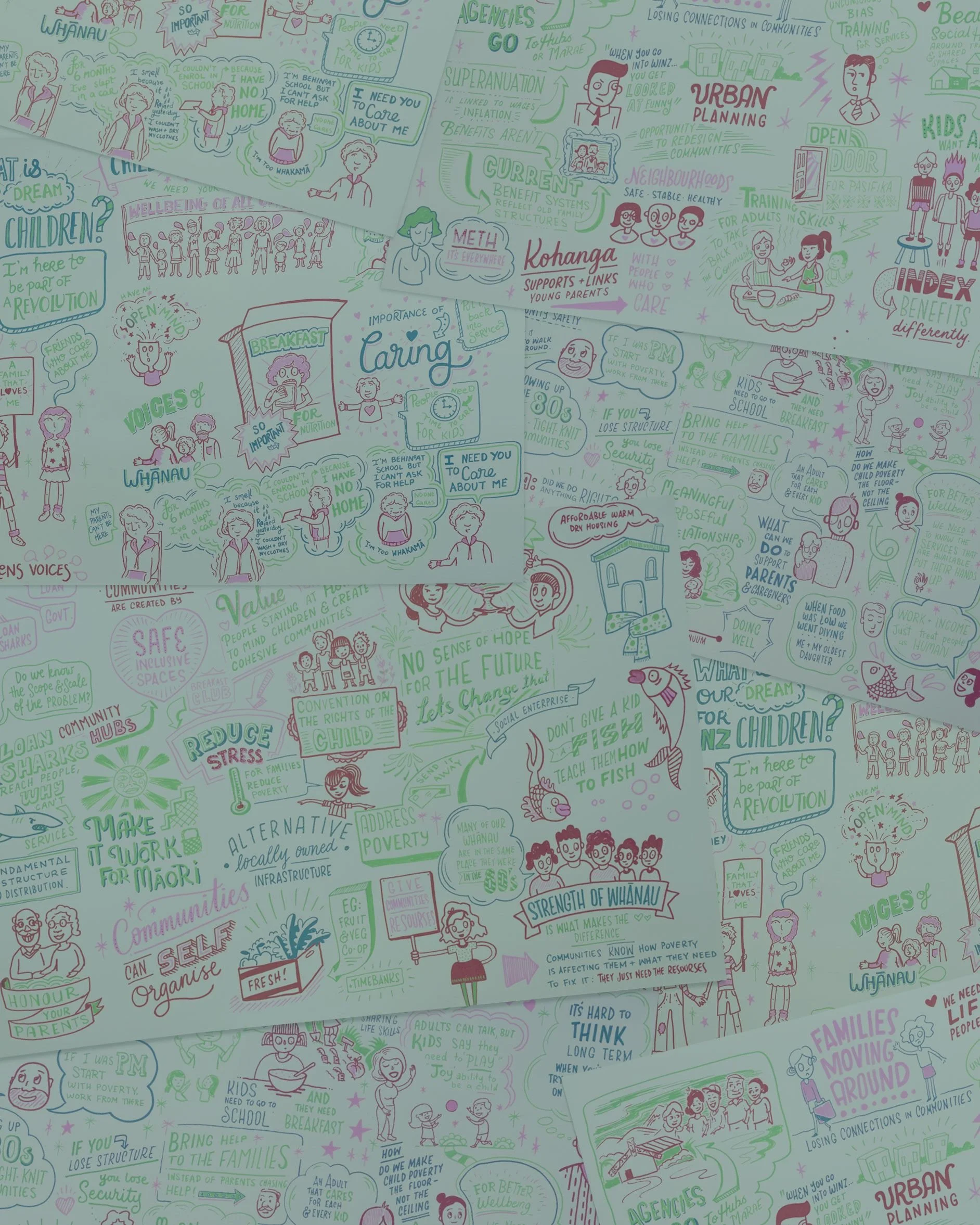
Having agreed to focus on systemic changes, the Committee makes a public call for ideas to tackle the root causes of child and whānau poverty in Aotearoa. More than 260 organisations and people submit ideas. Fifteen organisations are offered additional funding to develop and scope their ideas. Some of these groups submit proposals for ongoing funding. The fund reaches $16 million.
2017
Ka whakaterea ngā waka tuatahi
The first Kaikōkiri come onboard
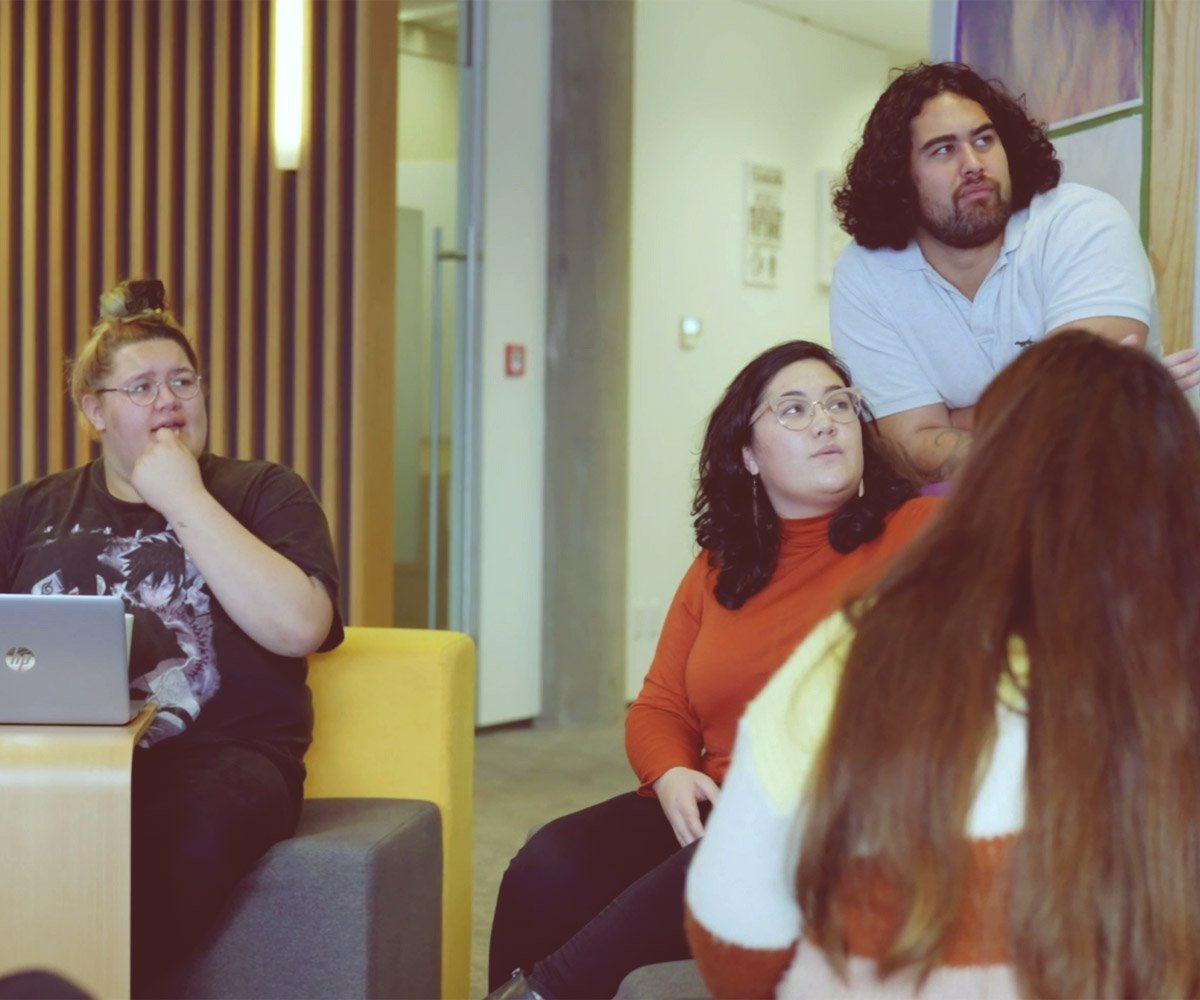
Tokona Te Raki, Te Ohu Whakawhanaunga, The Workshop, and Whyora join the Peter McKenzie Project, becoming the first PMP Kaikōkiri – leaders, advocates, and champions of change. Learn more about the work of ngā Kaikōkiri here.
2018
Ka tautoko te ture i te kaupapa
The Child Poverty Reduction Act comes into force
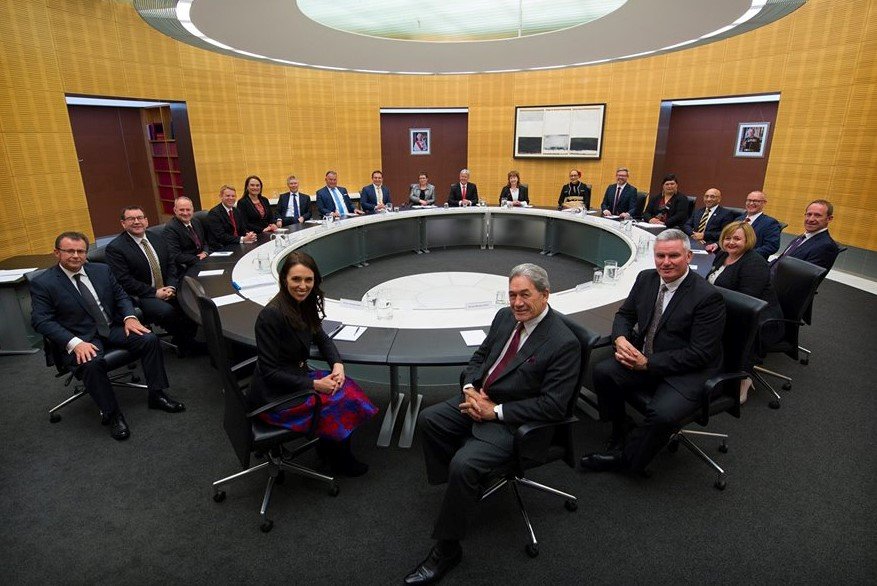
Legislation is introduced by Prime Minister Rt Hon Jacinda Ardern requiring current and future governments to set targets for reducing child poverty in Aotearoa New Zealand. The Act also establishes a suite of measures that track progress on reducing child poverty, and requires annual reporting on child poverty related indicators.
2018
Ka renarena te taukaea tangata
Relationships with Government are strengthened
PMP holds an event in conjunction with the Department of Prime Minister and Cabinet. The gathering brings together people with personal experience of poverty, community organisation leaders including ngā Kaikōkiri, and policy makers from across Government, to share perspectives. The Prime Minister interviews a panel of people who talk about their experiences, and in doing so demonstrates to policy makers the importance of listening.
2019
Ka huri te aro ki ngā mātāpuna
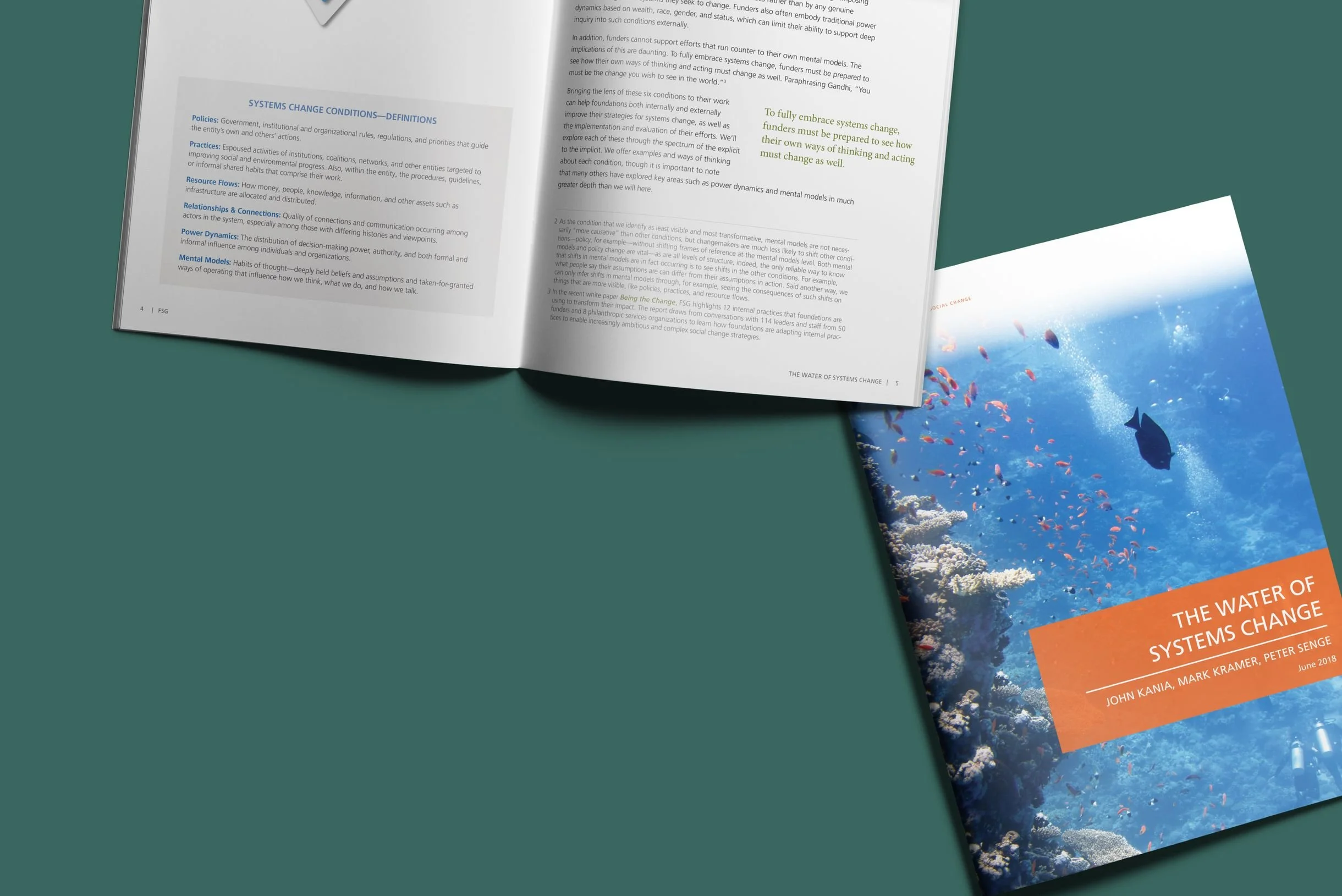
‘The Water of Systems Change’ is published
John Kania, Mark Kramer, and Peter Senge from global nonprofit social advisory firm FSG publish ‘The Water of Systems Change’. Reflecting growing international interest in the concept of systems change, the article explores the conditions which hold social problems in place, and how these forces might be disrupted.
2019
Ka piri mai he waka anō
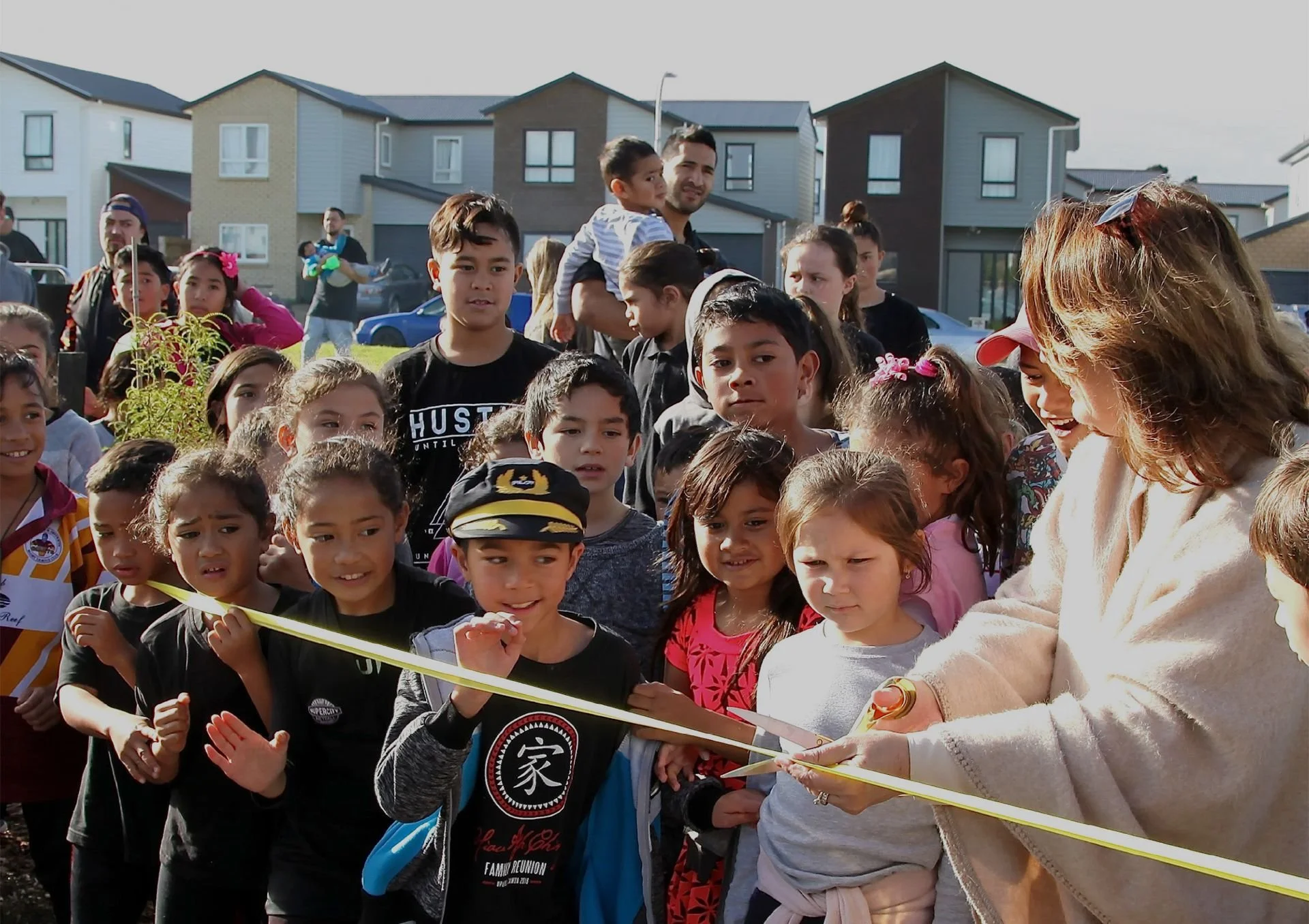
Community Housing Aotearoa joins ngā Kaikōkiri
2019
Ka huia ngā Kaikōkiri
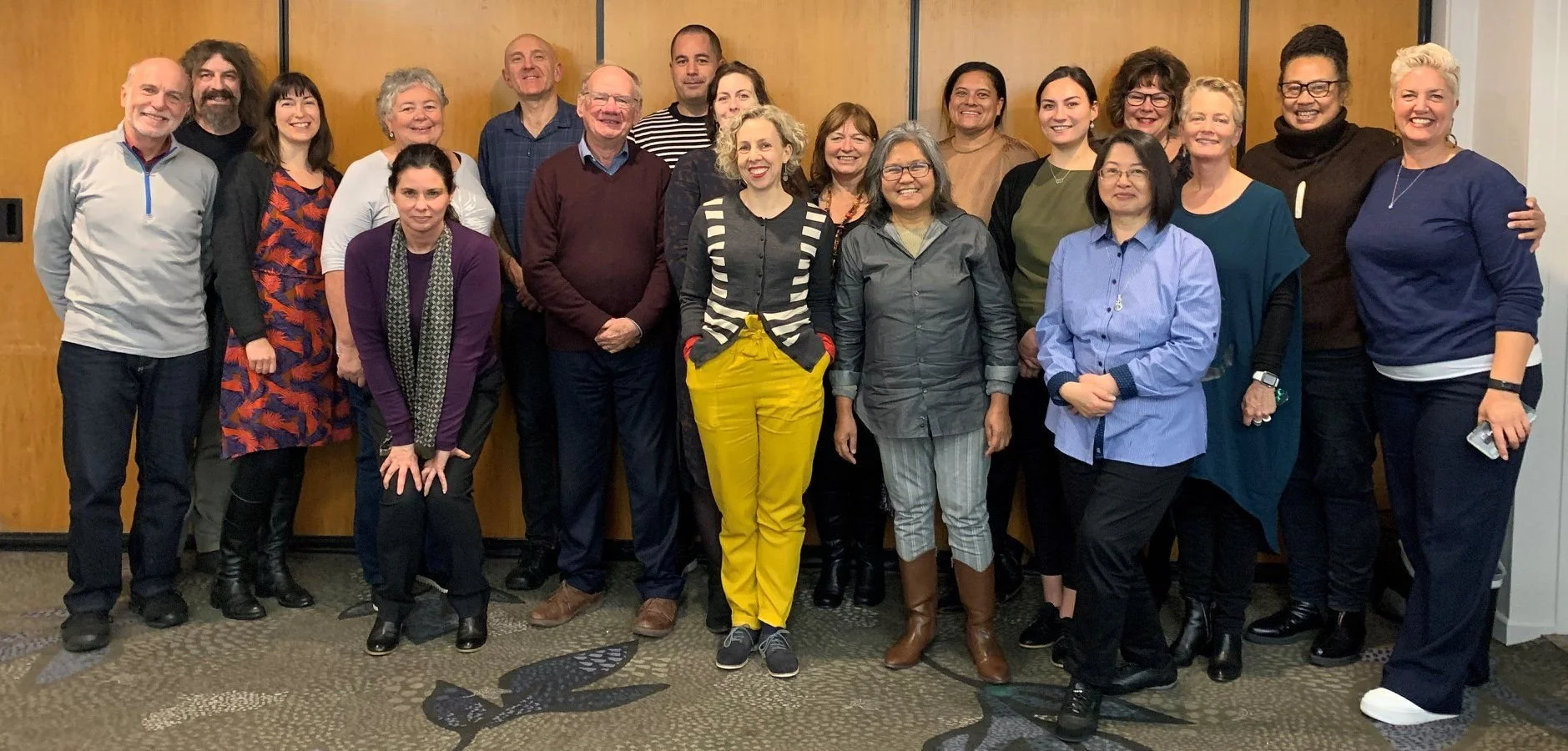
The first hui Kaikōkiri is held
Ngā Kaikōkiri, the PMP committee and team gather in Te Whanganui-a-Tara Wellington for the first hui Kaikōkiri. Relationships are formed and strengthened. Together we explore how individual impact can be amplified through collaboration.
2019
Ka tere tahi te kāhui waka
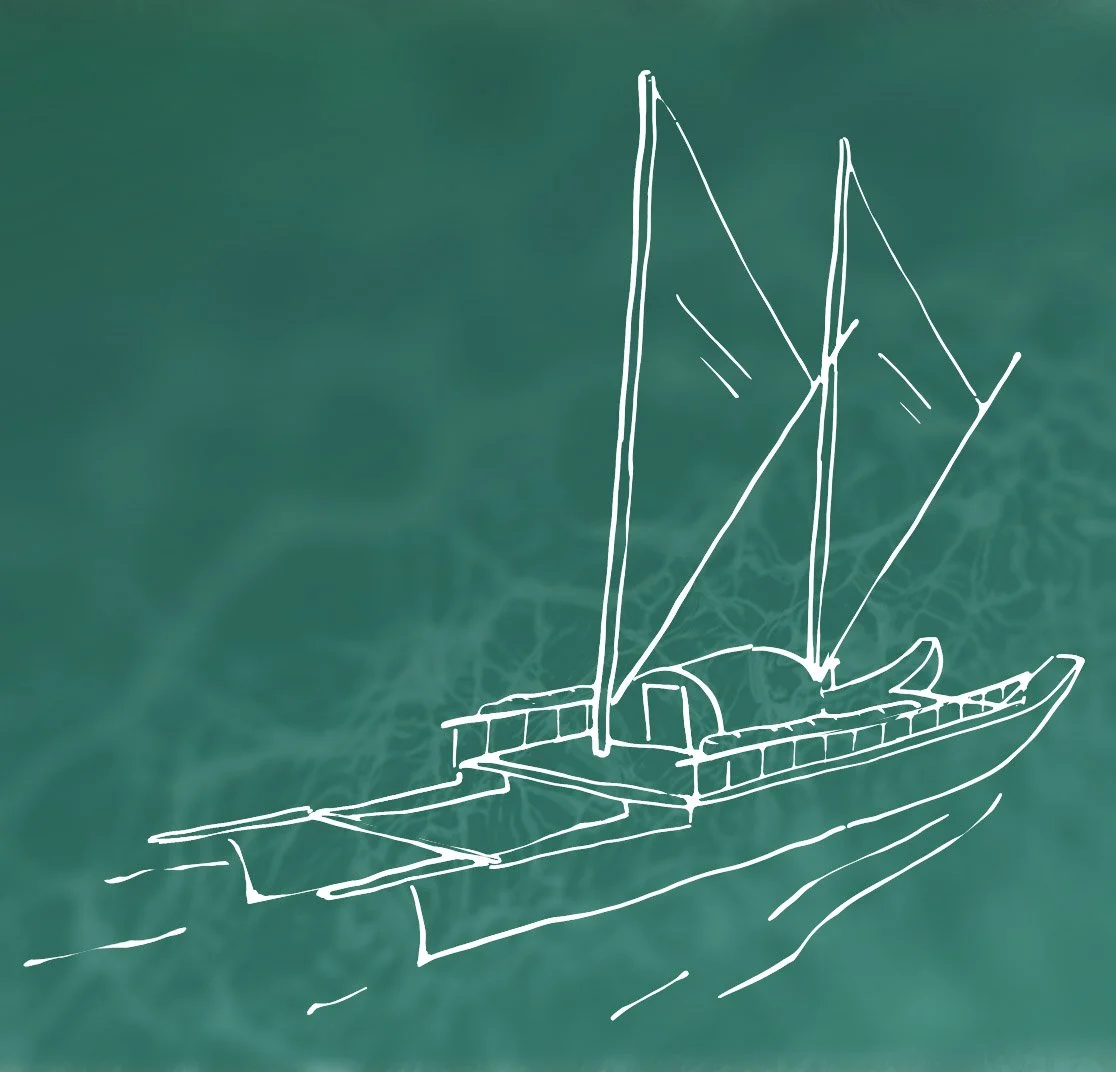
A flotilla emerges
Building on a metaphor from Tokona Te Raki and the historical voyaging prowess of Māori and Pacific peoples, we envision ngā Kaikōkiri and PMP as a ‘flotilla’ of waka/boats navigating the ocean towards a shared vision. The journey we are on together requires endurance, skill, and an ability to adapt to changing conditions. How might each waka sail as far and as fast as possible, while drawing value from, and adding value to, the rest of the flotilla?
A reflection from Eru Tarena, Executive Director of Tokona te Raki:
2019
Ka aro ki te whakamana i te tāngata
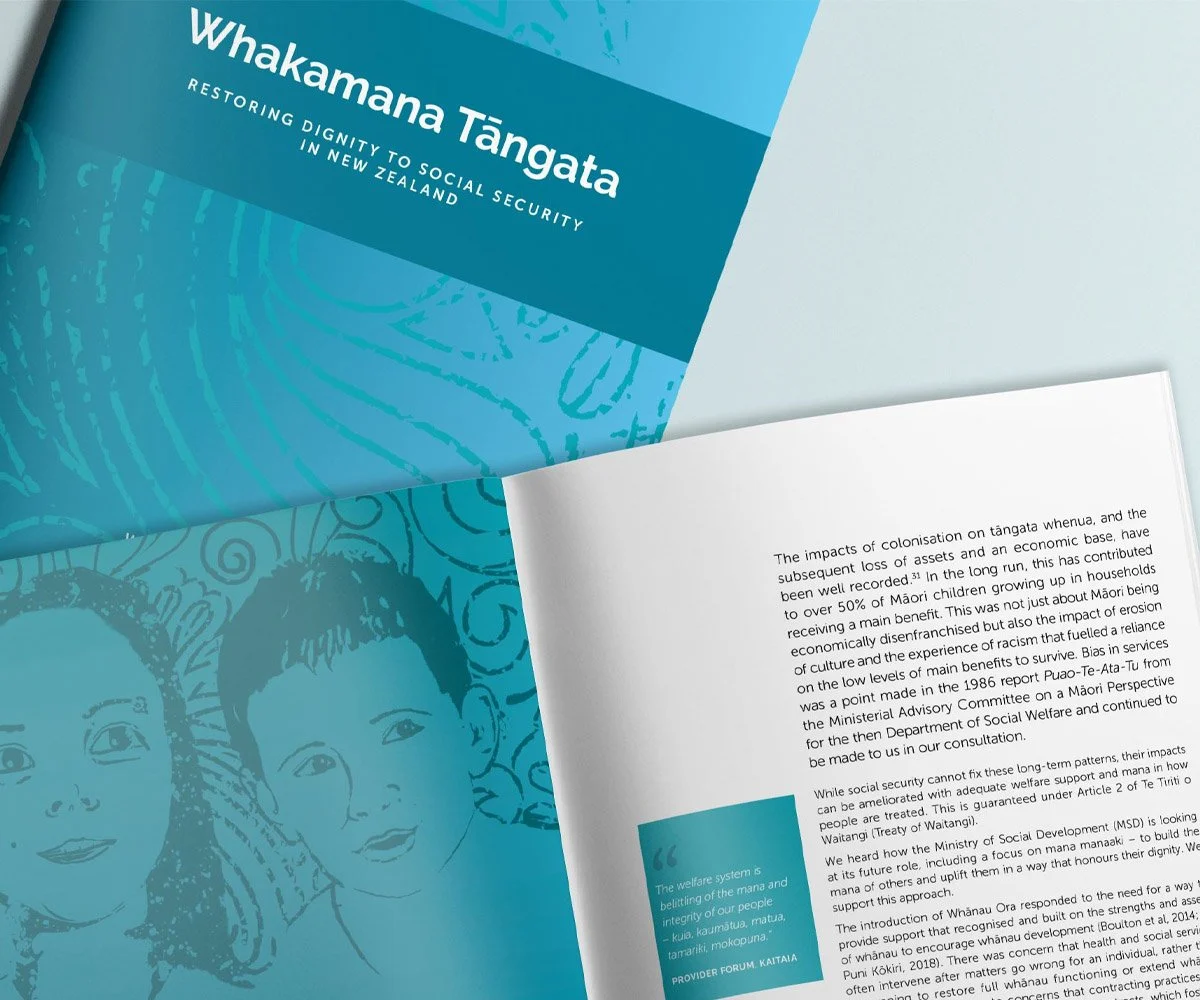
The WEAG report is released
The Welfare Expert Advisory Group (WEAG) presents its review of New Zealand’s welfare system. The report is damning, revealing the country’s welfare system needs fundamental change. The group makes 42 recommendations – advocating the system must go beyond providing basic support to whakamana tāngata (restore dignity) to those in its care. PMP supports a coalition of agencies to push for adoption of more of the recommendations than the Government initially commits to.
2019
Ka wānangahia te panoni pūnaha
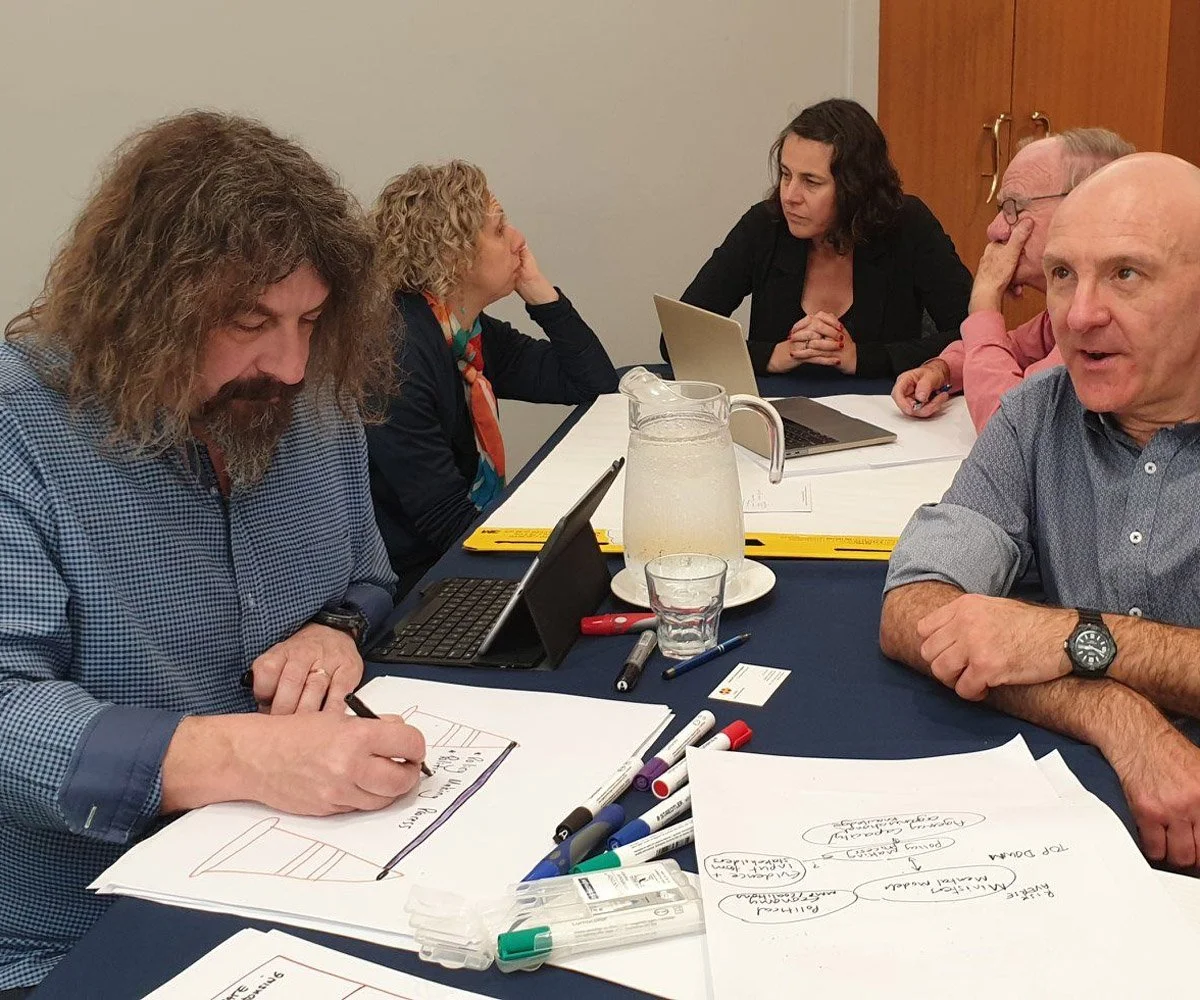
A systems change hui is convened
About 40 people, including ngā Kaikōkiri, Committee members, the PMP team, and others working to address social issues, gather for a 3-day hui, co-sponsored by the Todd Foundation. Participants share their experience and wisdom – including mātauranga Māori perspectives (Māori knowledge and learning) – on how to tackle complex challenges.
2019
Ka whai akoranga ngā Kaikōkiri
The Ako Fund is established
We establish the Ako Fund – offering small grants to ngā Kaikōkiri so they can visit one another and attend other learning events.
2019
Ka toro atu ki ngā rangapū
We seek cross-party political support
We host dinnertime speaker sessions for Members of Parliament – seeking to develop sustained cross-party interest in our kaupapa.
A reflection from Iain Hines, former PMP Director:
2020
Ka uru mai ētahi waka anō ki te kāhui
New Kaikōkiri join the flotilla
Uptempo, and a partnership between Muaūpoko Tribal Authority and FinCap, join the Peter McKenzie Project flotilla.
2020
Ka huia te kāhui Kaikōkiri
The growing fleet of Kaikōkiri gather
At our second hui Kaikōkiri, we strengthen our relationships, explore opportunities for collaboration, and brainstorm what might help our flotilla go further and faster.

2020
Ka tae mai te mate urutā
COVID-19 hits
As COVID-19 and its containment strategies hit Aotearoa, the work of our Kaikōkiri begins to be affected. Some pivot their work to meet the needs of the community – offering food, vaccinations, and so on. Other projects are significantly delayed by the inability to meet face-to-face. The PMP flotilla pauses residential gatherings – which helps us learn a lot about making Zoom hui effective! Our Parliamentary meetings also stop.
2020
Ka mahi tahi ki ngā haumi
A community of practice begins
Together with the Todd Foundation, we run a number of online events – an opportunity for Ngā Kaikōkiri and others to share knowledge and support one another. We also sponsor a webinar series run by overseas organisations (the School for Systems Change, and CoCreative), in conjunction with our friends at the Todd Foundation and the Vodafone Foundation.
A reflection from Janet Digby, Project Manager:
2021
Ka tukua ētahi atu ki te whakarite kōmaru
We explore the sharing of power
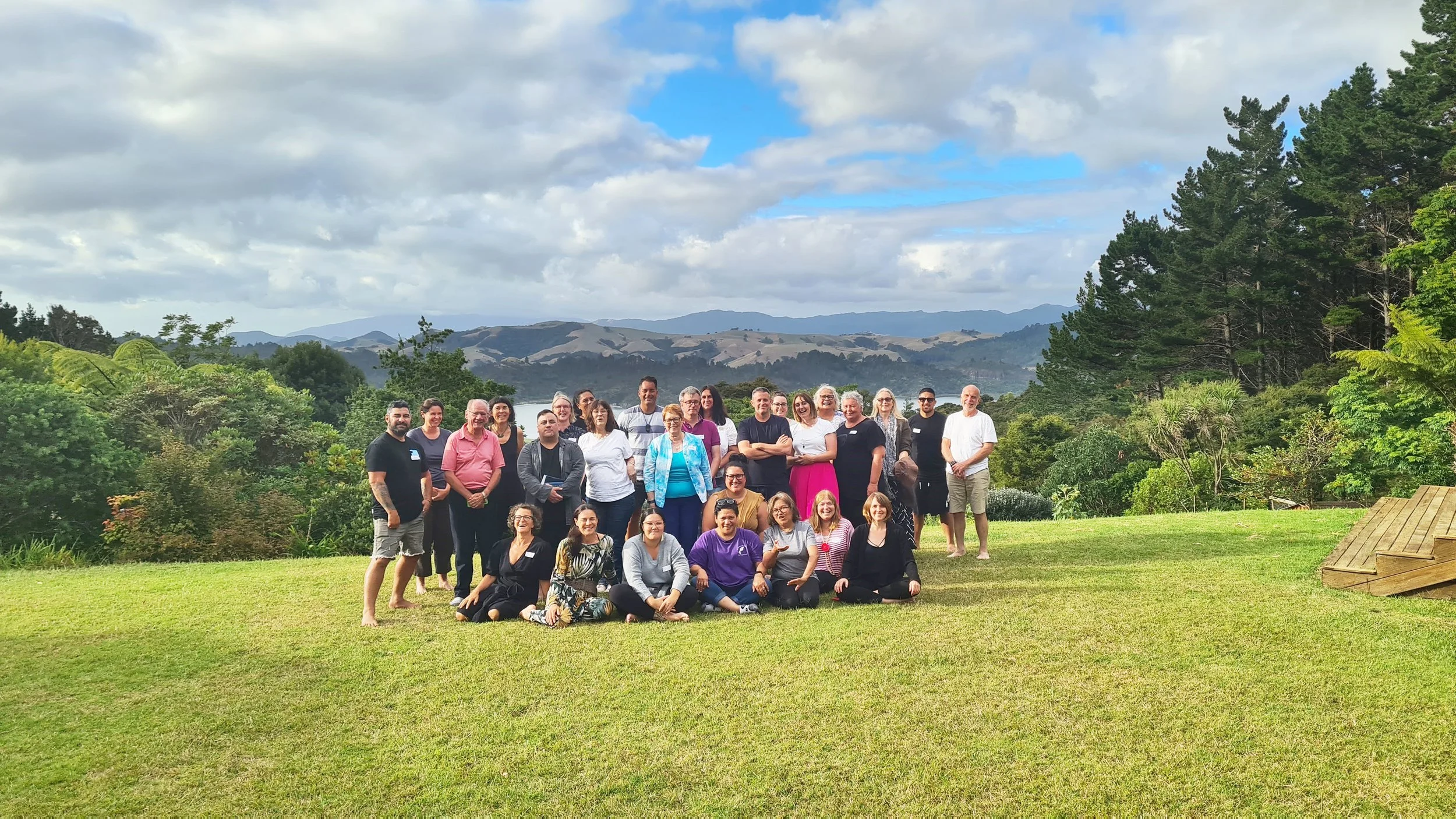
Ngā Kaikōkiri and the Committee gather virtually twice during 2021 to discuss sharing decision-making power about strategy, resourcing and grant-making. We learn that to do this authentically, time and deep listening are required. This discussion becomes the sole focus of three hui.
2021
Ka tukua te hoe ārahi
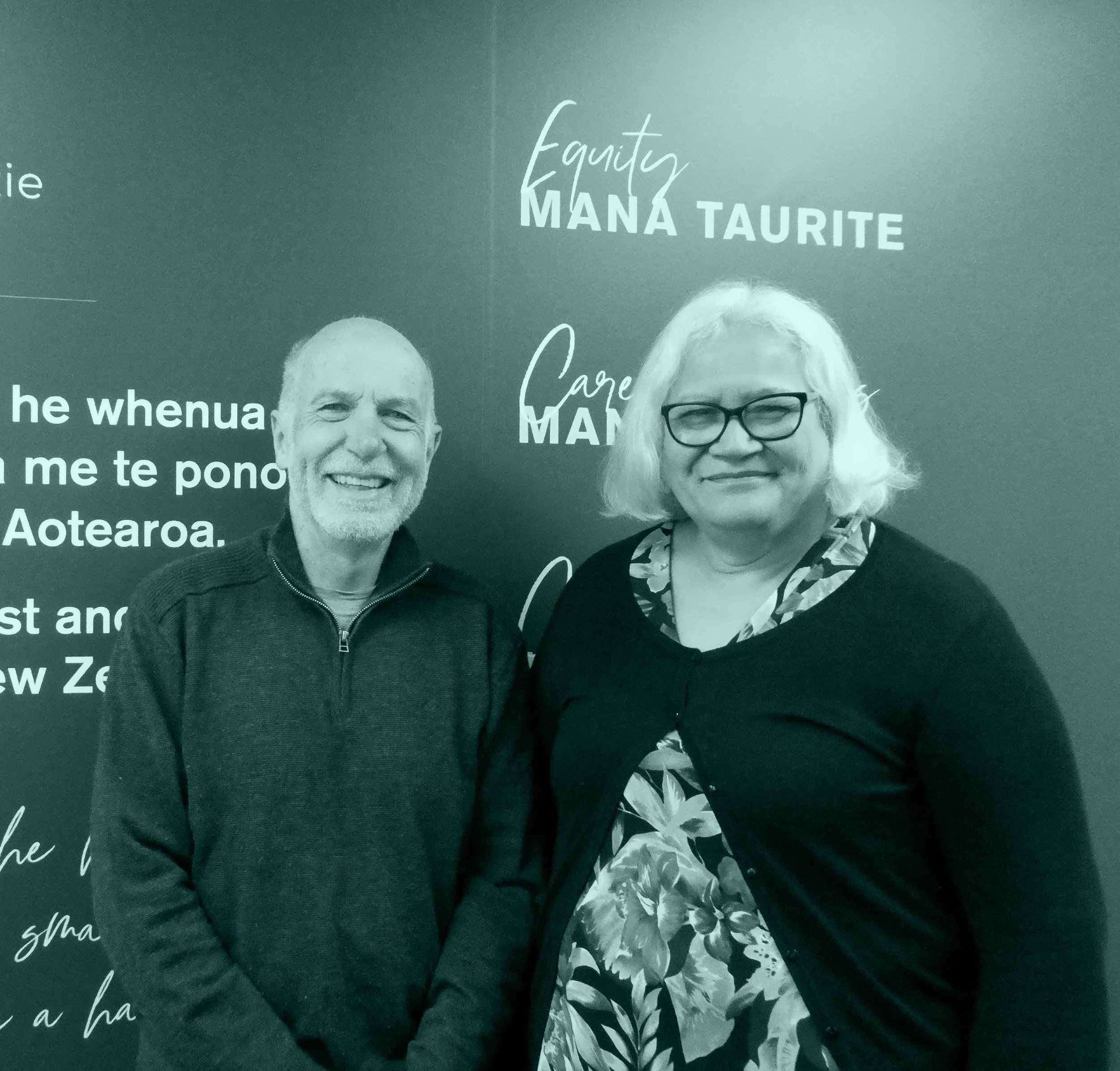
A new director comes onboard
Iain Hines, PMP’s original director, steps down after being involved in the project from its inception. Former Committee member, Aiolupotea Lili Tuioti takes over – ready to lead the next phase of our work.
2021
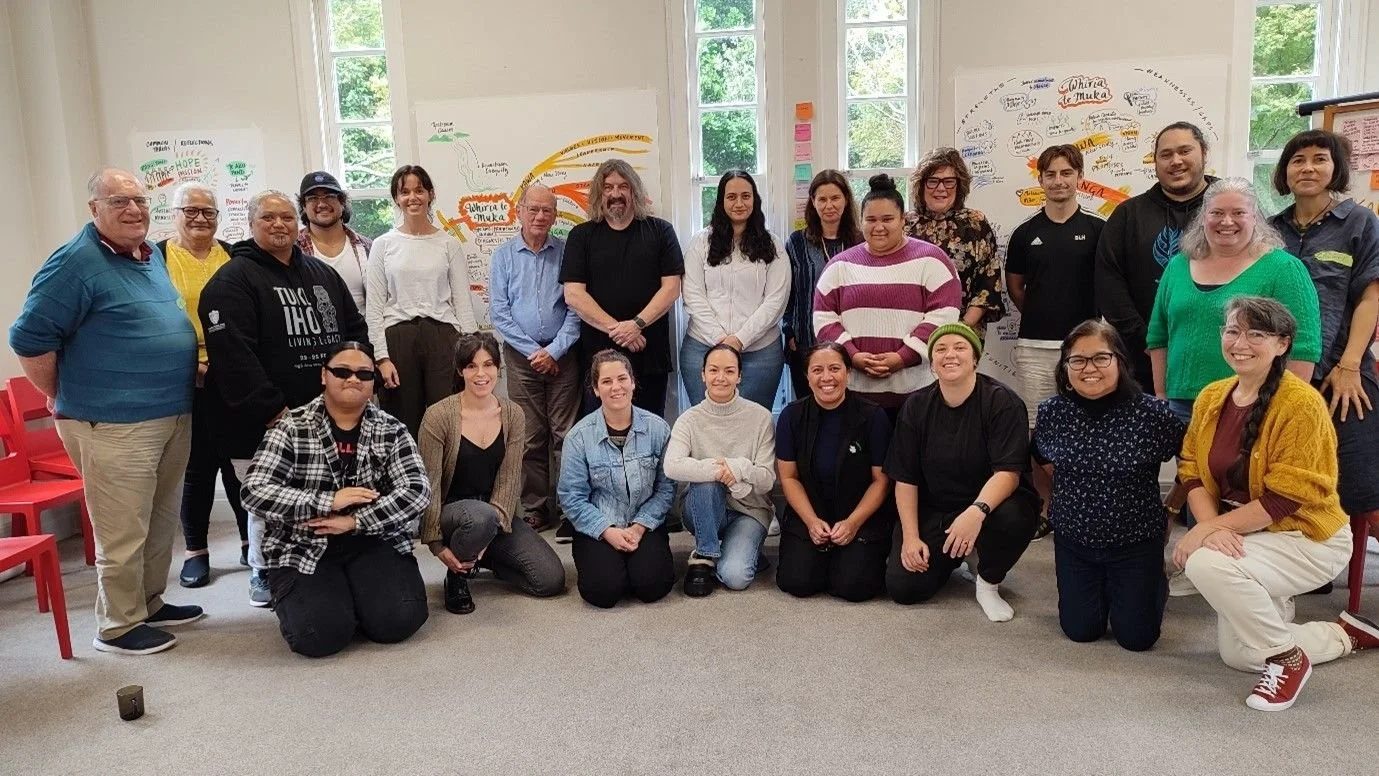
Mahi tahi
Our regular gathering
Twice a year, our Kaikōkiri and Committee get together to connect, learn and celebrate. For this hui in March, rangatahi facilitators from Tokona Te Raki and Why Ora led the rōpū in our time together.