
From Trust to Authentic Connection: How Centering Relationships Has Shaped PMP’s Journey
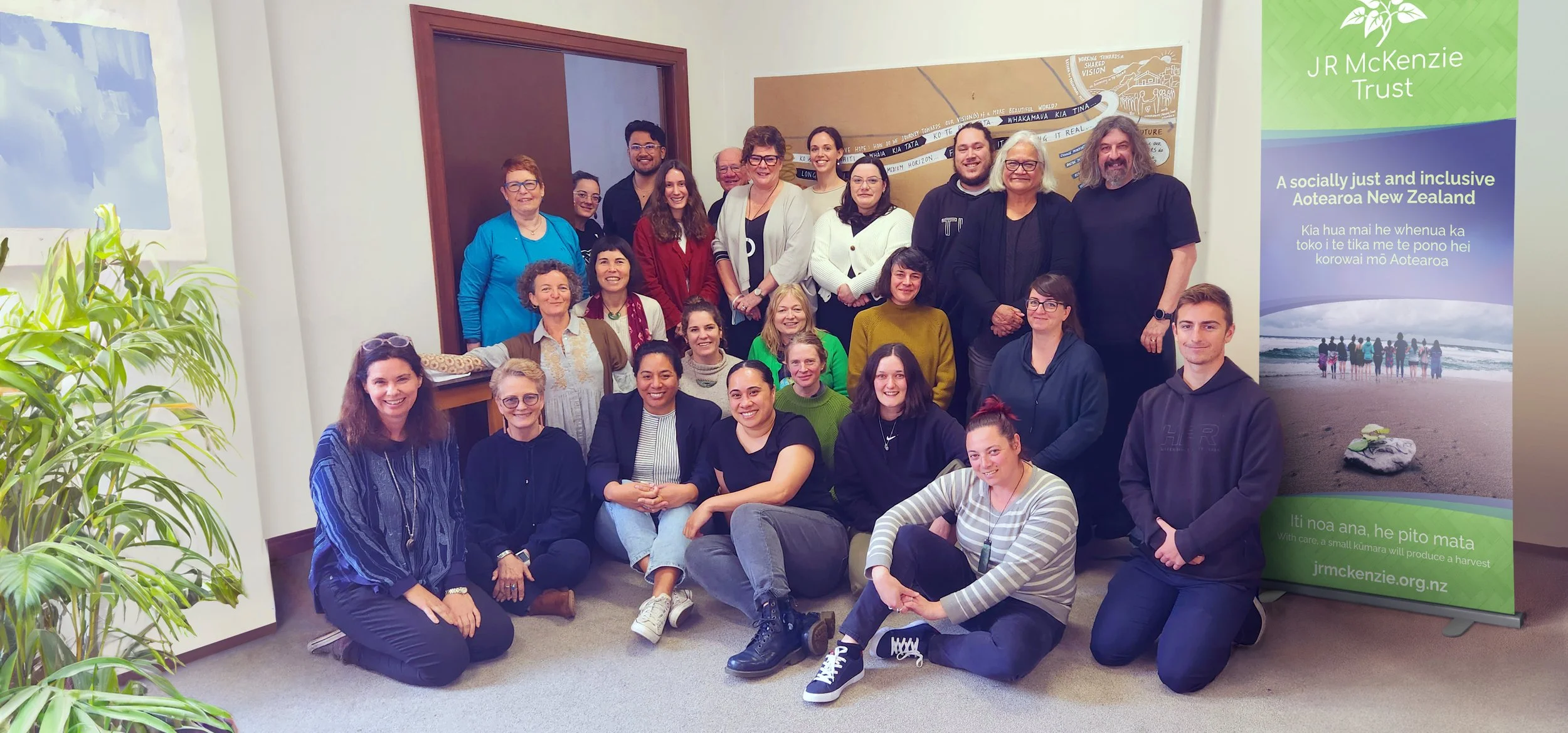
The Mahi Tahi 4 rōpū
The Peter McKenzie Project (PMP) is part of the broader philanthropic system and is itself a system. We have embodied systems change by placing relational practice at the heart of our mahi. Today, PMP's distinctive funding approach combines a systems change focus and high trust and participatory elements, with an ongoing focus on nurturing the relationships we have with funded organisations and supporting the relationships they have with each other. This represents a significant departure from traditional philanthropic practices in Aotearoa, creating enabling conditions for deeper systems work.
High-trust, flexible and longer-term funding
From the start, PMP made a decision to fund organisations (who we call ngā kaikōkiri or ‘the flotilla’) in a high trust way. Here’s how the essence of this approach was expressed in our very first funding agreement:
Tō tātou whanaungatanga - Our relationship
We undertake this work in a spirit of partnership in which:
Whakamana, whakanui: All contributions are equally valued
Pono me te tika: We will be open with each other
Ako: We are open to learning, and sharing what we learn
Mahi tahi: We will work together to contribute to the goals of both parties.
Ō tātou tikanga - Our approach
We acknowledge that changing complex systems starts with ourselves recognising we too are part of the complex system we are trying to change and will have to change our behaviour as we learn from new experience and knowledge along the journey. We both acknowledge we do not know what the solutions will be in advance; rather, we trust in a process to co-create new solutions based upon the insights that emerge as the work unfolds.
Ngā kaikōkiri highly value this approach, reporting that has enabled their work to be effective by:
creating freedom from burdensome compliance requirements, allowing them to focus on their core systems work:
"What has worked is the reporting structure, not having to spend heaps and heaps of time quantifying every single element of the change, because our work is ... long term social change... we can just talk about the real issues."
enabling independence. The flexible nature of the funding has been particularly valuable for organisations working in politically contested spaces. This financial independence has allowed organisations to maintain integrity in their advocacy roles, particularly when challenging government positions or powerful interests
PMP has also embraced a learning-oriented approach rather than rigid evaluation frameworks. The staff team reflect that this has helped refine thinking about systems impact over time.
“We used to think about impact in a very transactional way—numbers, outcomes. Now, we understand that systems change isn’t like that. It’s about shifting conditions, and that takes time.”
PMP’s general approach of three-year funding agreements (with renewal likely) has provided ngā kaikōkiri with a degree of stability, which has been critical in allowing them to focus on deep, transformative work. However, our experience has shown for most systems change initiatives, three years is not long enough to sustain momentum and protect progress against external shocks (e.g. political shifts, leadership turnover). We now know that systemic change is likely to span decades, and our funding commitments require similar time horizons.
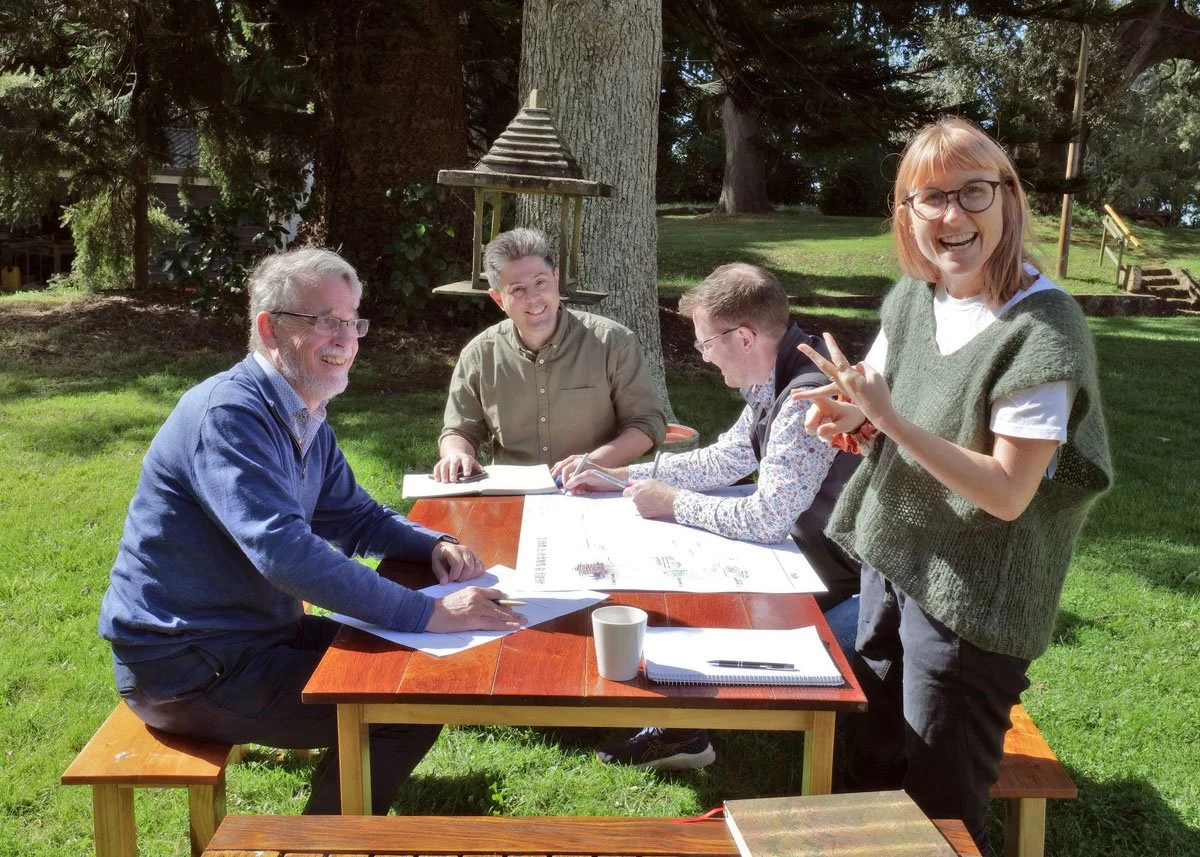
Members of the PMP Flotilla
Centre relationships
Relationships are central to PMP and we have focussed on them in a variety of ways. In our interactions with ngā kaikōkiri, the PMP team and committee members have made a sustained effort to embody the spirit of partnership outlined above – valuing each other, being open, learning & sharing, working together. We haven’t always got it right, but we continue to hold each other accountable to this kaupapa.
...and invest in building them
Additionally we’ve put time and money into supporting relationships between ngā kaikōkiri in two main ways: regular face to face gatherings (Mahi Tahi) and additional financial support for connection, learning and working together (the Ako fund).
Ngā kaikōkiri reflect that Mahi Tahi provide structured and unstructured opportunities for relationship building that might otherwise be sacrificed to the urgency of daily work. Building these deeper relationships creates potential for ongoing connection, and this potential is encouraged and realised through Ako funding.
"Mahi Tahi is solid gold – a mini retreat where we can just be together rather than do, do, do."
"Spending those couple of days with them [at Mahi Tahi] means you then feel like you can pick up the phone a week or a month later."
"The Ako fund has been really helpful because we actively think about collaborations with other kaikōkiri, because the Ako fund makes it easier and more possible."
Some more information about the Ako fund
The Ako fund was established early in the life of PMP to support ngā kaikokiri to build relationships, enable learning and explore & develop collaboration. Key features include:
- small grants ($750-$4000 generally), mainly for things like travel and training costs
- easily accessed via an email (what do you want to do and how much do you need?)
- quick decisions (one-two days)
- no reporting or other accountability required (but we’re always happy to hear how things went)
- no limits on a group’s access through the year (we’ve never exceeded our budget cap)
Don’t rush relationship building
The development of meaningful relationships across the flotilla has been a critical factor in PMP’s development, aligning with the increasing literature describing the importance of networks (and movement building) for effective systems change work. These relationships took substantial time to develop (several years, rather than months).
"I just think of that first hui in Wellington where we were in that room together, and how awkward it was. And now now it's not awkward. And that's because we have relationships with one another."
The time required to build the relationships required to support authentic and effective collaboration was underestimated in PMP’s early days. An initial mis-step we made was encouraging collaboration too early, rather than taking our lead from ngā kaikōkiri. The trust created by our relational approach enabled ngā kaikokōkiri to push back on our unrealistic expectations, who reminded us that the flotilla wasn’t a natural grouping of organisations choosing to work together, but one that had been created by PMP. We learnt that we needed to hold the potential of collaboration lightly, as something that needed to emerge, rather than be forced.
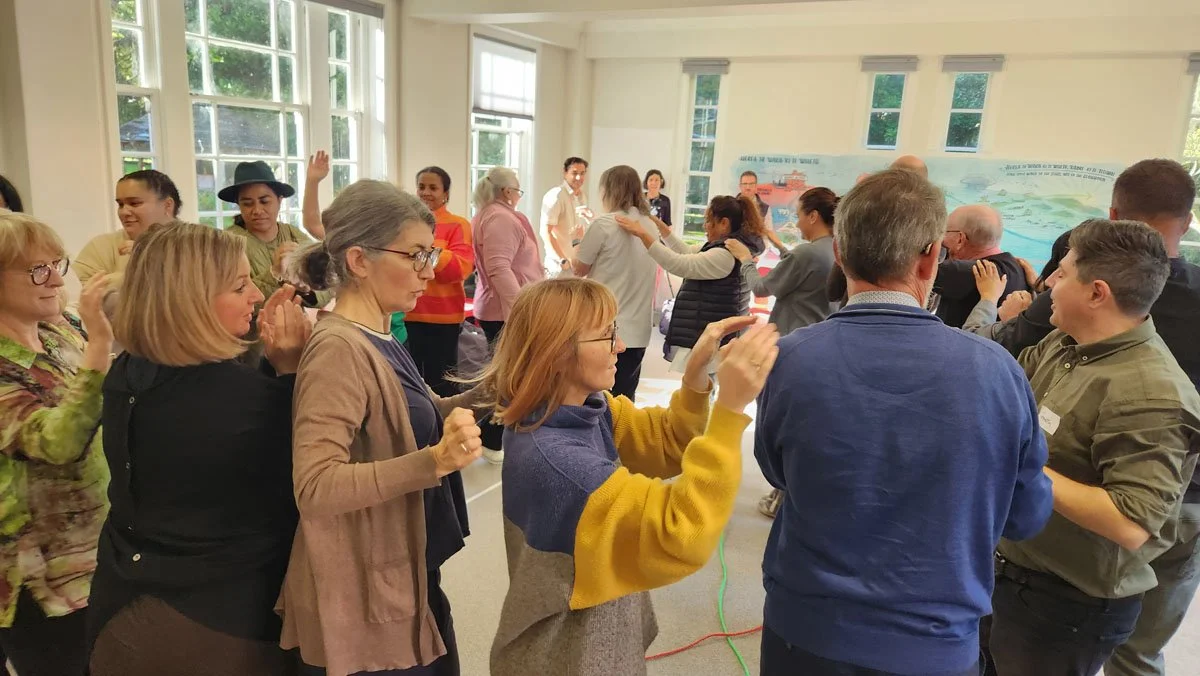
Having fun at Mahi Tahi 7
Create conditions for organic collaboration
PMP integrated this feedback into our planning for Mahi Tahi, ensuring that agendas focussed on connecting and learning together (not on designing collaborative work). We also encouraged the uptake of Ako funding for groups to visit and learn from each other outside of Mahi Tahi. Gradually, as relationships grew, different groups found their own opportunities to work together. Over time we’ve seen an upsurge in organic collaboration between flotilla members, as they find their own natural synergies and authentic connections:
“At first, people were hesitant about collaboration—it felt like extra work. But over time, we’ve seen the value of these relationships. Now, groups are making connections on their own, and that’s what real systems change looks like.”
We are now entering a new phase of PMP’s journey where some groups are enthusiastic to consider collaborative or collective action, on the strength of the relationships they’ve developed:
"Don't be afraid to set up sessions where we explore shared interests... effectiveness is amplified by working together."
About Mahi Tahi
Between 2021 & 2025, PMP has maintained a regular rhythm of twice-yearly gatherings, which we call Mahi Tahi. These are:
- In person events (except for some pandemic exceptions)
- Held over three days (Day 1 begins at lunch time, Day 3 ends at lunch)
- At an easy to reach, familiar and peaceful venue (we’ve found the St Francis Retreat Centre fantastic)
We’ve experimented with a variety of formats, and some of the things that have worked well are:
- Having fun together! Magic shows by our previous committee chair have been a highlight of several Mahi Tahi.
- Capturing our experiences visually Our amazing graphic recorder has been part of Mahi Tahi since the beginning. Over time, she’s woven a shared visual language that supports our group cohesion.
- Following a rhythm In recent times we’ve alternated Mahi Tahi purpose between learning (from each other, or external experts) and whakawhanaungatanga (relationship building).
- Consistency - and flexibility - in attendance Organisations choose who they send, which means we usually have a mix of ‘old hands’ and ‘newbies’ in the room. This creates new energy and relationships, as well as renewing connections, but means paying attention to how newcomers are welcomed in.
- Being present PMP staff and committee members prioritise Mahi Tahi attendance, and show up as part of the collective, rather than observers or leaders.
Relationships are the foundation for everything else
Over time our understanding of the importance of relationships has deepened and evolved. It has meant changing how the committee and staff team think, relate, decide, and hold power. Authentic relationships have also underpinned and been further strengthened by PMP’s ongoing exploration of and commitment to participatory funding.
Our experience has taught us that relationships are fundamental to effective systems change funding. By investing in relationships and networks, funders can help create the conditions for greater alignment and influence beyond individual projects. Funders might ask: where and how could we intentionally invest in relationships to support shifts in the systems we’re seeking to influence? And how do we need to change to do this effectively?
Want to know more?
We’re happy to share more detail about our relational approach. Please email: lili@jrmckenzie.org.nz
